
Nerova BlogDeveloper Tools
Coverage of the tools, frameworks, SDKs, and platform changes developers are using to build, ship, and maintain AI products faster.
Developer Tools Coverage and Analysis
Explore Nerova Blog coverage focused on Developer Tools, including current developments, practical analysis, and commercially relevant shifts across the category.
This archive page is designed to help readers and crawlers understand how Developer Tools connects to AI agents, enterprise workflows, infrastructure, and broader operational adoption.
Featured AI Agent & Enterprise AI Articles
What Is AutoGen? The Practical 2026 Guide for Teams Evaluating Microsoft’s Multi-Agent Framework
AutoGen helped define the modern multi-agent AI workflow, but teams searching for it in 2026 need updated guidance. This guide explains what AutoGen is now, where it still works...

CrewAI vs LangGraph: Which AI Agent Framework Fits Your Team in 2026?
Teams often compare CrewAI and LangGraph as if they do the same job. They overlap, but their design center is different. This guide explains where each framework wins and how to...
What Is CrewAI? A Practical 2026 Guide for Teams Building AI Agent Workflows
CrewAI has become a common choice for teams that want multi-agent workflows without starting from the lowest-level orchestration primitives. This guide explains what CrewAI is...

What Is OpenAI Agent Builder? A Practical Guide to AgentKit’s Visual Workflow Canvas
OpenAI’s Agent Builder is a meaningful shift from hand-wired agent orchestration toward a more visual workflow model. This guide explains how Agent Builder fits inside AgentKit...
How to Migrate from Semantic Kernel or AutoGen to Microsoft Agent Framework
Microsoft is consolidating its agent stack, and teams that started with Semantic Kernel or AutoGen need a cleaner migration path. This guide breaks down the architectural shifts...

Microsoft Agent Framework 1.0 Is Here: What Changed and What Semantic Kernel or AutoGen Teams Should Do Next
Microsoft Agent Framework 1.0 is more than a version bump. It is Microsoft’s clearest attempt to turn its agent stack into one production path for teams coming from Semantic...

GitHub Copilot Autopilot Explained: Why Fully Autonomous Agent Sessions Matter
GitHub Copilot Autopilot is a meaningful step past chat-style assistance. It lets Copilot take multiple actions, retry on errors, and even hand work off to the cloud agent without...
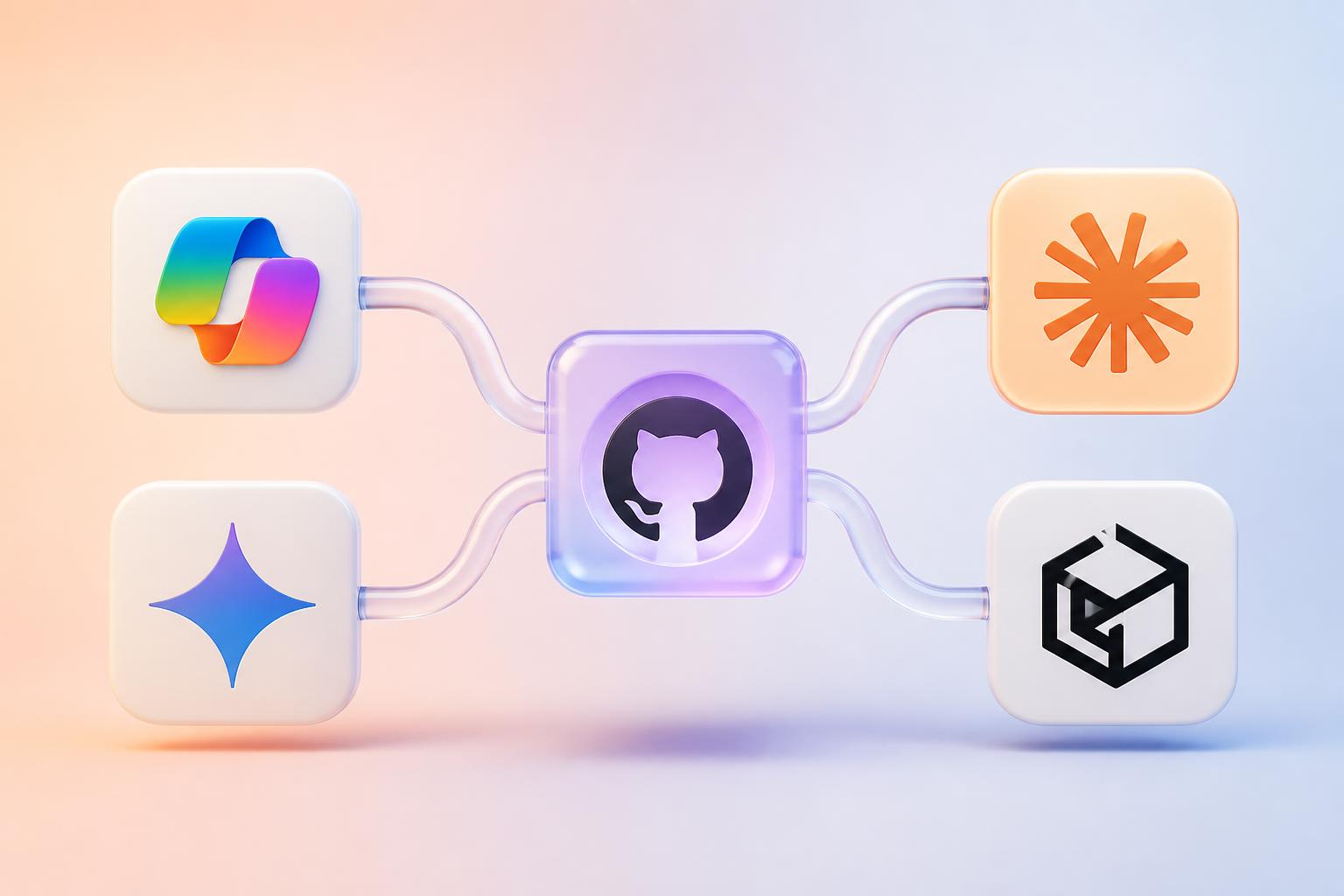
What Are Agent Skills? Why GitHub’s New gh skill Command Matters for Copilot, Claude Code, and Codex
GitHub’s new gh skill command is a bigger deal than it looks. It points toward a more portable way to package repeatable agent behavior across tools like Copilot, Claude Code...

GitHub Copilot CLI Is Now GA: Why Terminal-Native Coding Agents Matter
GitHub Copilot CLI is no longer a preview experiment. Its GA release makes the terminal a serious surface for agentic development, with planning, MCP connectivity, memory, and...

What Is .agent.md? Why GitHub Custom Agents Matter for Copilot in 2026
GitHub’s .agent.md files are not the same thing as AGENTS.md. They are emerging as a practical control layer for reusable specialist agents inside Copilot workflows, from...
Gemini CLI Subagents Explained: Why Google’s New Multi-Agent Layer Matters
Google added subagents to Gemini CLI on April 15, 2026. Here’s what subagents are, how they work, and why isolated context matters for AI coding agents and developer workflows.

What Is LangGraph? Why It Matters for Production AI Agents in 2026
LangGraph matters because many AI agents fail at the exact point where real business workflows begin: state, recovery, human approvals, and long-running execution. This guide...