
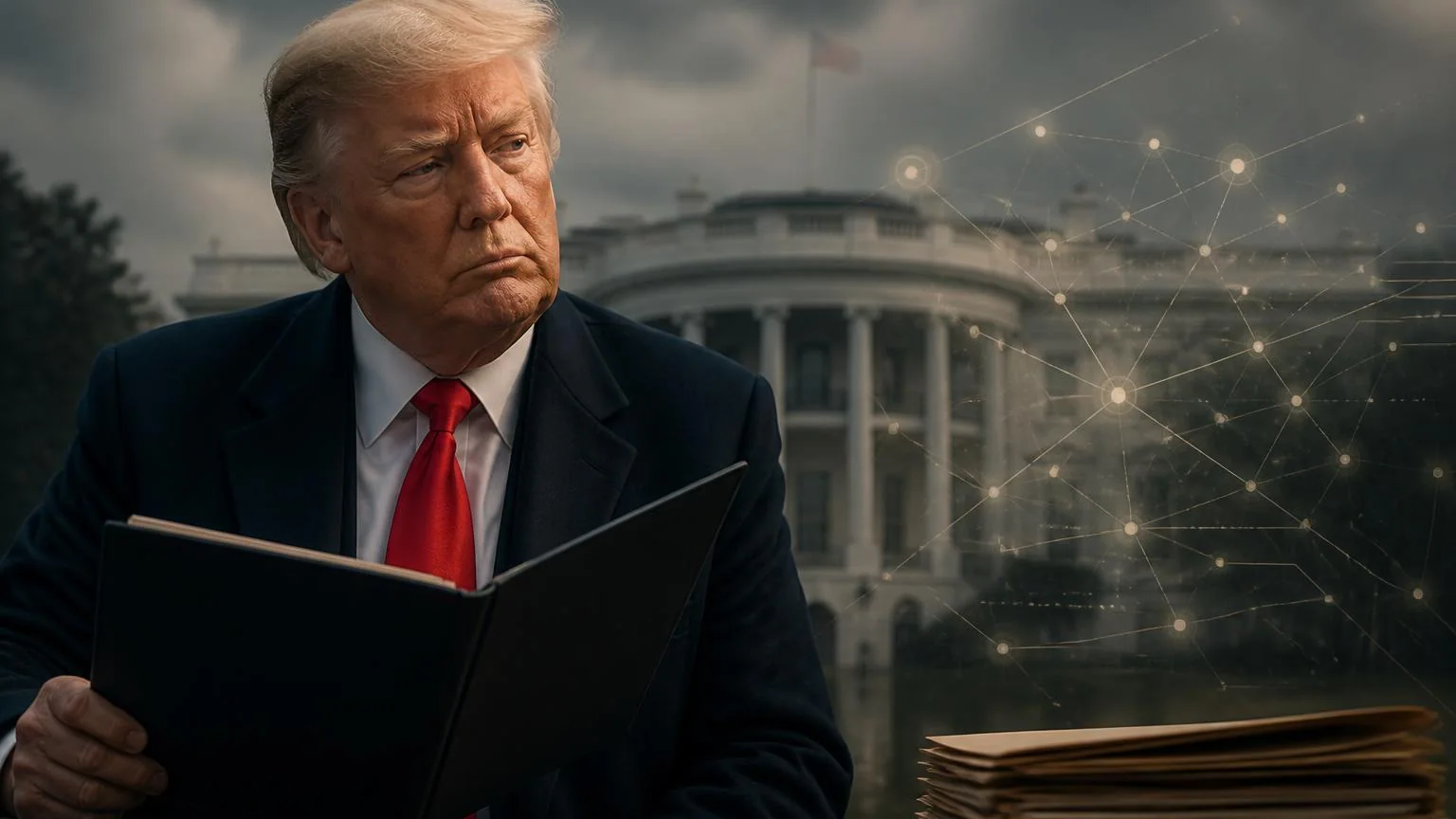
On Thursday, May 21, 2026, President Donald Trump abruptly canceled a planned White House signing ceremony for an executive order on AI and cybersecurity. By Friday, May 22, Axios had published the unsigned draft, clarifying what the administration had been weighing: a voluntary framework that would let the U.S. government review advanced AI models ahead of public release. The reversal matters because it leaves frontier-model oversight, cyber review, and enterprise planning in a more uncertain place just as model capabilities and deployment pressure are accelerating.
What changed between May 21 and May 22
The order was expected to be signed on May 21 with tech executives in attendance, but Trump said he pulled it back because he believed parts of the text could get in the way of U.S. AI competitiveness. AP reported that the proposal was framed as a voluntary collaboration with participating U.S. companies including Anthropic, OpenAI, and Google. By May 22, Axios had published the unsigned draft and added more reporting on the internal fight that preceded the cancellation.
What the unsigned order was trying to do
The core policy goal was not a broad licensing regime for AI. The draft and surrounding reporting pointed to a narrower national-security and cybersecurity effort: create a voluntary process for the government to examine frontier models before release, and use federal agencies to strengthen cyber defenses with AI. Nextgov reported that the order was expected to assign national-security and civilian agencies new tasks and establish a voluntary framework for the government to view AI models ahead of release.
The pressure for such a program did not come from nowhere. AP reported that banking executives and federal officials had become increasingly concerned about the cyber capabilities of frontier models, especially their ability to surface software vulnerabilities faster and at larger scale. That makes the policy fight bigger than one canceled ceremony: it is really about who gets early access to the most capable systems, under what safeguards, and how much delay companies will tolerate before shipping.
Why the order ran into resistance
Axios reported that AI adviser David Sacks and some industry voices pushed back on the order before it was signed, with Trump saying he did not want to do anything that could slow the U.S. lead over China. Axios also reported questions about why Treasury would play such a prominent role and whether pre-release access windows could complicate coordination with allied governments that may also want to test frontier systems.
That opposition reflects a split that is becoming harder to paper over. One camp wants faster federal mechanisms for evaluating frontier-model cyber risk. The other worries that even a voluntary review process can turn into delay, precedent, or a softer version of preclearance. The May 21 reversal showed that the administration has not resolved that conflict yet.
Business impact: more freedom now, less clarity later
For enterprise AI buyers, the immediate result is less near-term federal friction on frontier-model releases than many expected this week. But the tradeoff is more uncertainty. Companies building or adopting AI agents now have less visibility into what future federal review, disclosure, or cyber coordination might look like, especially for systems that can write code, scan infrastructure, or automate security work.
That uncertainty matters operationally. Teams choosing models, vendors, and deployment patterns may now have to plan for a wider range of policy outcomes: light-touch voluntary testing, sector-specific guidance, or a later federal package that arrives through cybersecurity rather than broad AI regulation. For businesses already moving from pilot to production, governance assumptions just got less stable.
What to watch next
The most important question is whether the White House rewrites the order into a narrower cyber-focused measure or lets the idea stall altogether. Axios reported that the Office of the National Cyber Director has discussed additional AI security initiatives beyond the now-canceled order. If that continues, the next policy move may be less about general AI safety rhetoric and more about concrete controls around model access, vulnerability research, and critical-infrastructure risk.
For AI agents and automation specifically, this episode is a reminder that model capability is outrunning policy consensus. The companies shipping the most capable systems want speed. Governments want earlier visibility into systems that may change cyber offense and defense. Enterprises deploying agents in regulated or sensitive workflows are stuck in the middle — and will need to design for governance uncertainty, not just model performance.