
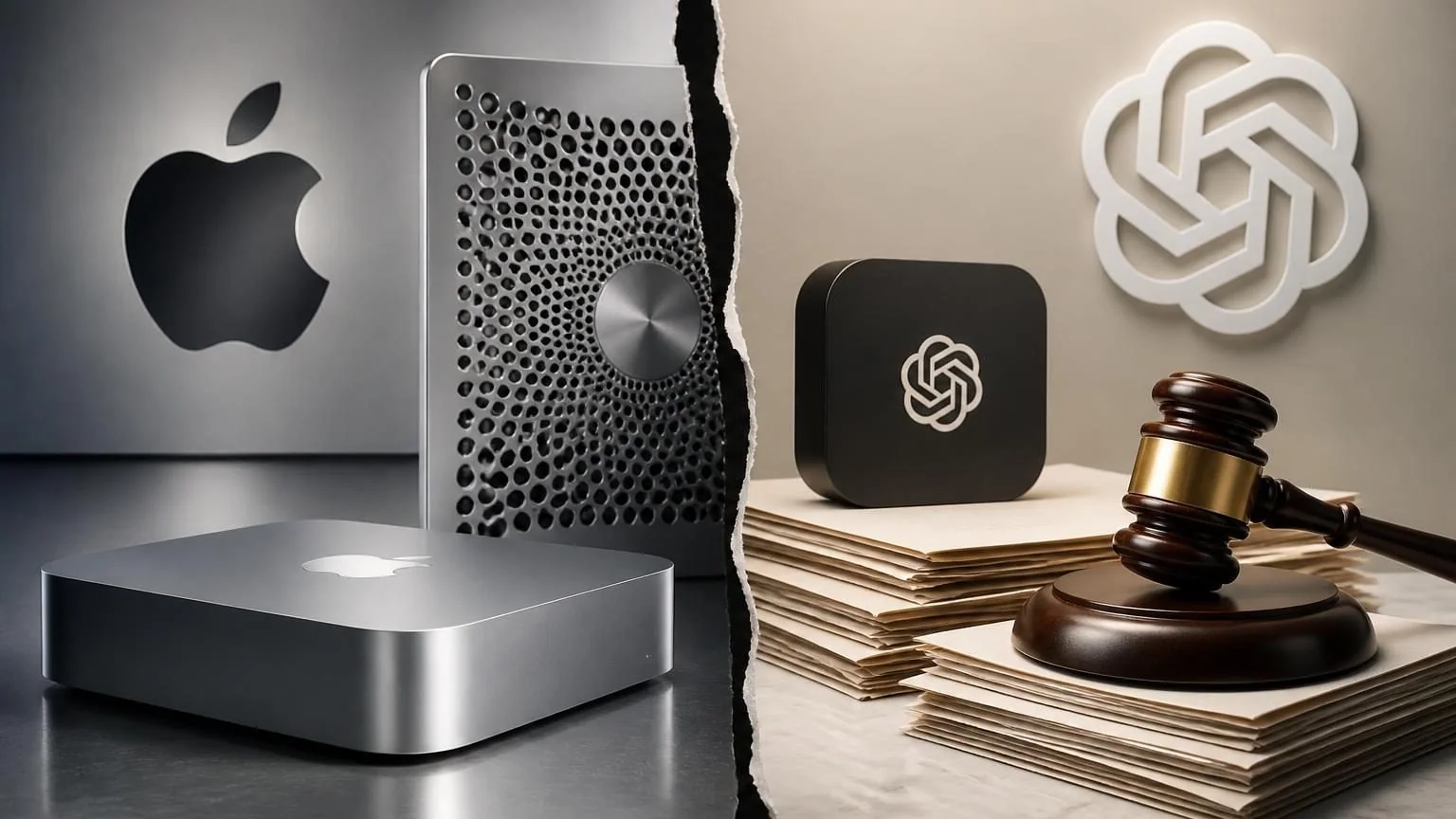
Apple’s lawsuit against OpenAI, filed on July 10, 2026 in federal court in Northern California, is more than a headline-grabbing corporate fight. It turns the AI boom’s next battleground—hardware, hiring, and confidential know-how—into a legal problem with immediate business implications.
According to Apple’s complaint, OpenAI encouraged Apple employees it was recruiting to share confidential information and even helped them avoid scrutiny when moving jobs. Apple says it uncovered a pattern of trade secret theft and named former Apple employees Tang Yew Tan and Chang Liu as defendants alongside OpenAI entities and io Products.
What Apple is alleging
Apple’s filing says the dispute centers on how OpenAI built its consumer-hardware ambitions. The company claims former Apple employees took confidential information about unreleased technologies, product development, and internal processes, then used that knowledge after moving to OpenAI.
The complaint also alleges that one former Apple engineer kept an Apple-issued laptop and accessed confidential hardware-related files after leaving the company. Another allegation says job candidates were asked to bring Apple parts to interviews. OpenAI said it is reviewing the filing and has no interest in other companies’ trade secrets.
Why this matters beyond Apple and OpenAI
This is not just about whether one startup crossed a legal line. It is about the friction that appears when frontier AI companies move from software into devices, and when talent flows between competitors who both rely on sensitive product roadmaps.
For business leaders, that creates a useful warning sign. The more an AI vendor touches hardware, data pipelines, and long-lived internal workflows, the more important it becomes to know exactly who can access what, where information travels, and how employees exit one company and enter another.
In practice, this kind of lawsuit can affect vendor trust, procurement reviews, and internal compliance checks even before a court rules on the merits. Discovery alone could surface internal processes that other companies would rather keep private.
What enterprise AI teams should do now
- Review offboarding and device-return procedures for employees who work on sensitive AI projects.
- Separate evaluation environments from systems that contain product, customer, or supplier data.
- Log access to prompts, files, and model-connected tools so you can reconstruct who touched what.
- Recheck NDAs, contractor terms, and vendor agreements for data-use and retention language.
- Assume talent moves are also security events when teams work on AI products, not just hiring events.
What to watch next
The next updates to watch are whether Apple seeks an injunction, how OpenAI responds in court, and whether the case changes the pace of OpenAI’s hardware plans. Apple’s own partnership with OpenAI, announced in 2024, also makes this a signal about how quickly collaboration can shift into rivalry once the market gets crowded.
For readers evaluating AI adoption, the bigger lesson is simple: if your AI stack is becoming strategic, your governance has to become strategic too.