
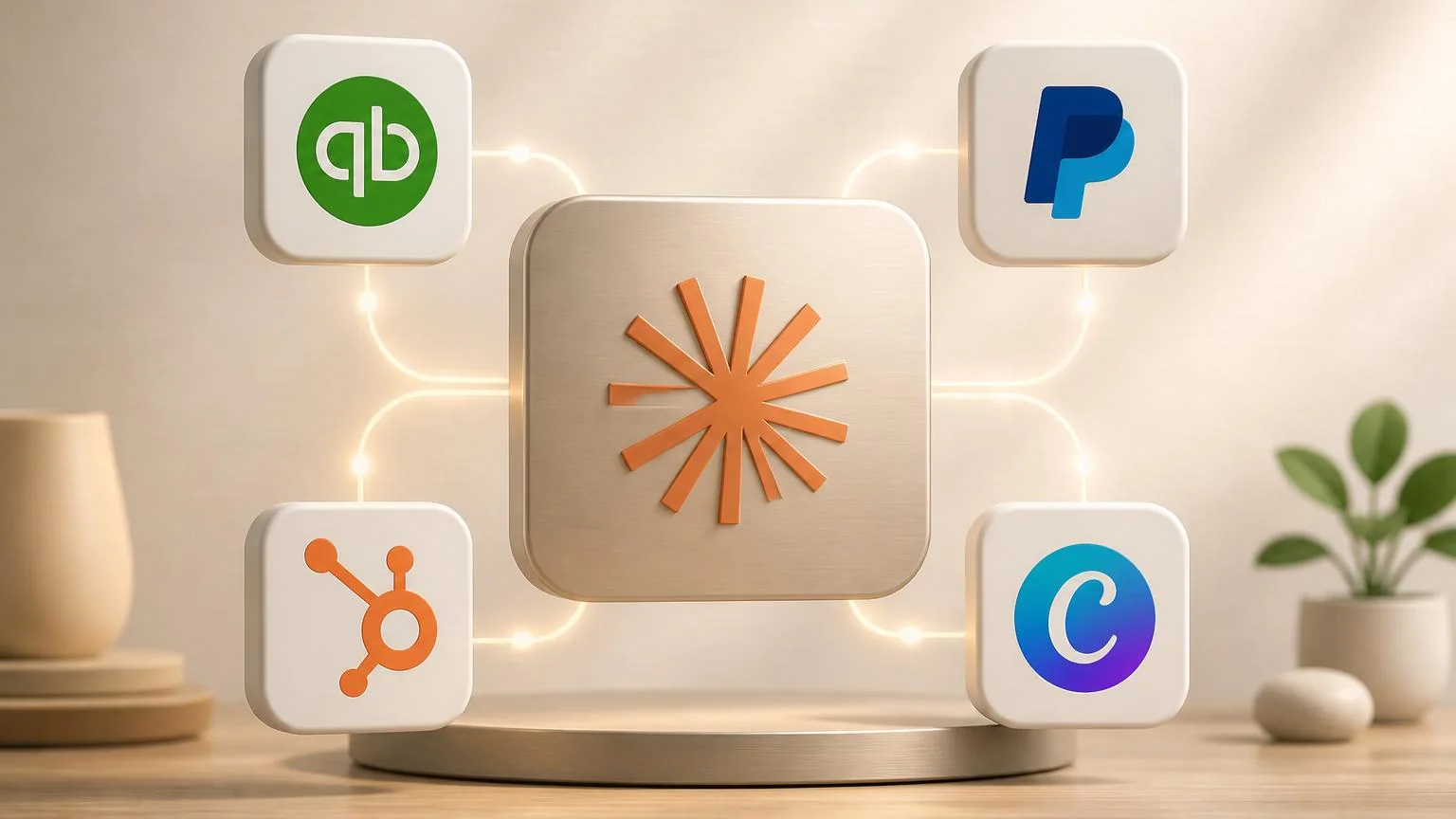
On May 13, 2026, Anthropic launched Claude for Small Business, a new Claude Cowork package that connects Claude to apps many smaller companies already use, including Intuit QuickBooks, PayPal, HubSpot, Canva, DocuSign, Google Workspace, and Microsoft 365. Anthropic says the offering ships with 15 ready-to-run workflows and 15 skills for jobs such as payroll planning, month-end close, invoice chasing, campaign creation, contract review, and lead triage. The move matters because it brings the agent workflow pitch Anthropic has been making to large enterprises into the everyday small-business software stack.
The launch also has a live timing element. Anthropic says its Claude SMB Tour starts on May 14, 2026 in Chicago, with additional stops scheduled across the U.S. this spring. That makes this more than a static product page update: Anthropic is pairing the product with training, local workshops, and partner distribution aimed at turning small-business AI from curiosity into operating behavior.
What Anthropic actually launched
Anthropic describes Claude for Small Business as a toggle install inside Claude Cowork. Owners connect their existing tools, pick a job, and Claude handles the workflow, with human approval before anything is sent, posted, or paid. On the Claude solution page, Anthropic also frames the product as a one-click plugin designed to get businesses running a first workflow the same day.
- Finance and operations: payroll planning, month-end close, reconciliations, tax-season prep, and invoice chasing.
- Sales and marketing: lead triage, campaign analysis, promo planning, and content generation through Canva and HubSpot.
- Admin and compliance work: contract review, customer pulse reporting, and recurring business briefings.
Anthropic’s own examples are deliberately practical. One workflow reconciles QuickBooks cash position with PayPal settlements and drafts reminder emails for overdue invoices. Another pulls campaign insights from HubSpot and turns them into finished creative assets in Canva. That framing is important: Anthropic is not leading with abstract productivity claims. It is leading with cross-system business tasks.
Why this is bigger than another SMB AI bundle
The larger signal is that frontier-model companies are moving downmarket with packaged workflows, not just chat access. Anthropic has spent early May expanding Claude through financial-services agent templates and a new enterprise AI services company. Claude for Small Business extends the same playbook to smaller organizations: connect the tools, package the jobs, add approvals, and make the product feel closer to an operating layer than an assistant.
That matters because small businesses have usually been offered AI as either generic chat or narrow point tools. Anthropic is trying a different route. It is treating small-business software as a workflow graph that an agent can move across, provided the product can earn enough trust around permissions, approvals, and data handling.
Anthropic is also leaning into the economic argument. The company says small businesses account for 44% of U.S. GDP and nearly half of private-sector employment, but that AI adoption still lags larger enterprises. In other words, Anthropic is targeting a large market where operational pain is real, staffing is thin, and owners care more about late-night work disappearing than about model benchmarks.
Business impact for automation buyers
Finance and back-office work are the clearest first wedge
Payroll planning, month-end close, cash forecasting, and invoice follow-up are repetitive enough to automate but sensitive enough that most owners still want approval checkpoints. That makes them a strong fit for the current generation of agent products. Claude for Small Business is clearly designed to land there first.
Marketing becomes part of the same workflow loop
The Canva integration is a notable part of the story because it pushes the product beyond bookkeeping and admin work. Anthropic is trying to show that the same system that spots a revenue dip or campaign gap can also help create the assets for the response. For SMB buyers, that is a more ambitious promise than “write me some copy.” It is closer to a connected insight-to-action workflow.
Trust is now part of the product, not a footnote
Anthropic says existing permissions still apply inside connected systems and that it does not train on customer data by default on Team and Enterprise plans. It also emphasizes that users can approve plans first or, when ready, allow end-to-end runs. Those details are not side notes. They are the adoption wedge. Small companies may not have enterprise security teams, but they still need a reason to trust an agent inside payroll, contracts, and customer data.
What to watch next
The next questions are less about whether Anthropic can demo workflows and more about whether it can make them stick. Watch for three things after the May 13 launch: whether the workshops convert into sustained usage, whether Anthropic expands deeper system actions beyond guided tasks, and whether SMB buyers see enough return to consolidate work around Claude instead of using separate AI features inside each SaaS product.
For the broader AI market, the takeaway is straightforward. The agent battle is no longer just about enterprise control planes or developer tooling. It is moving into smaller companies that want real automation without building an agent stack from scratch. If that demand holds, the winners will be the vendors that package trusted, cross-app workflows clearly enough for nontechnical operators to adopt.
For teams building AI agents and automation systems, Anthropic’s launch is another sign that the commercial race is shifting from raw model access toward workflow packaging, approvals, and business-system integration. That is where practical adoption lives, and it is where more of the next budget fight will likely happen.