
AI Agent Insights News, Guides and Comparisons
Explore AI agent news, comparisons, guides, benchmarks, integrations, and practical automation advice for business operators and technical teams.
AI Agents, Enterprise AI, and Automation Insights
Nerova Blog covers AI agents, enterprise AI, automation, and developer tools with practical analysis of major launches, model updates, and infrastructure changes shaping modern business workflows.
This archive is built to help operators, founders, and technical teams quickly understand which developments matter, what they mean for deployment, and where new AI capabilities create real operational leverage.
Featured AI Agent & Enterprise AI Articles
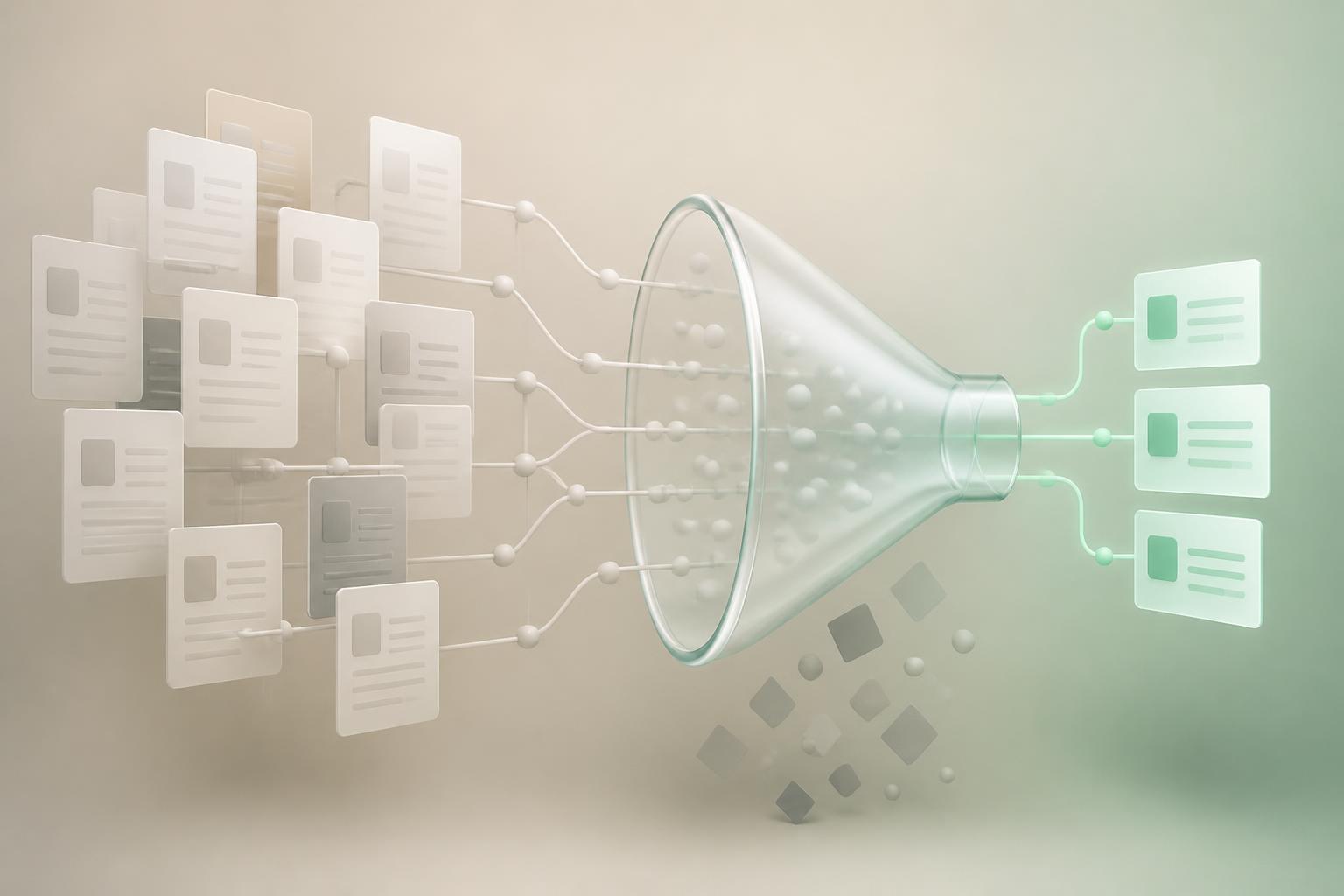
Why Your RAG System Is Not Retrieving the Right Documents and How to Fix It
RAG retrieval failures usually start with weak chunks, filters, search settings, or stale indexes. Diagnose the evidence pipeline before changing models.
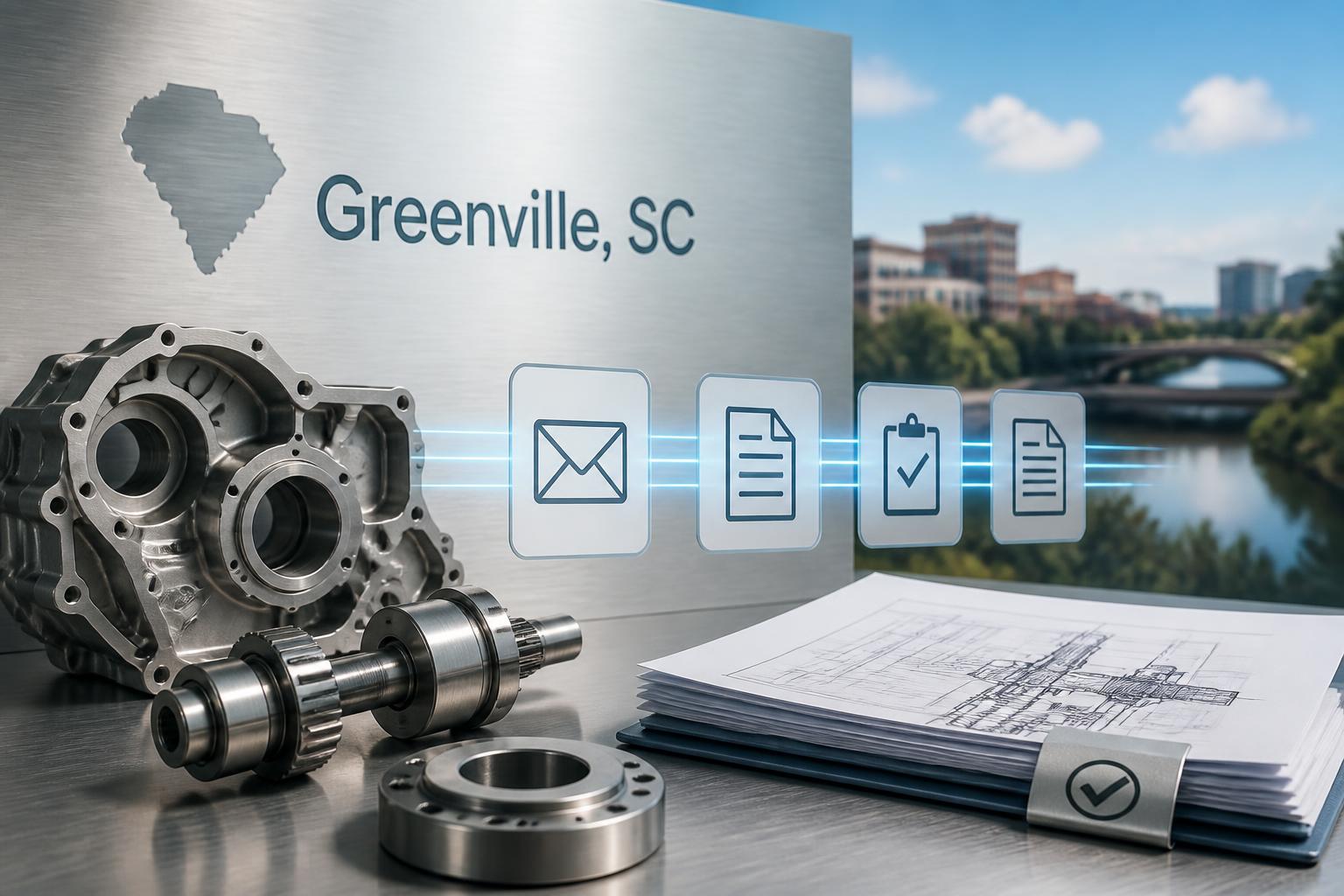
Greenville, SC AI Automation for Auto Suppliers
Greenville AI automation can organize auto-supplier RFQs, drawing revisions, deadlines, and PPAP follow-up across sales, estimating, programs, and quality.

Integrate an AI Chatbot With WordPress for Answers and Routing
A WordPress AI chatbot can answer from approved site content, qualify visitor intent, and route leads without access to wp-admin or publishing controls.

Private School Admissions Assistant for Tour Requests
A private school AI admissions assistant can answer inquiries, schedule tours, and follow up on applications without automating admissions judgment.

AI Pilot Charter Template + Filled Proof-of-Concept Example
Use this AI proof-of-concept template and pilot charter to define the workflow, baseline, success threshold, review limits, stop rules, and final decision.

OpenAI’s Gartner Win Turns Codex Into an Enterprise Category
OpenAI's Gartner recognition puts Codex inside a formal enterprise coding-agent market where governance, workflow coverage, cost, and ROI shape purchases.

OpenAI’s Codex Remote Access Update Changes the Control Layer
OpenAI Codex remote access and automation tokens add mobile supervision and identity controls for longer-running coding agents and automated work.

Mistral Medium 3.5 Explained: Why Remote Coding Agents Just Got More Practical
Mistral Medium 3.5, Vibe remote agents, and Le Chat Work mode move long-running coding tasks into the cloud while keeping people in the approval loop.
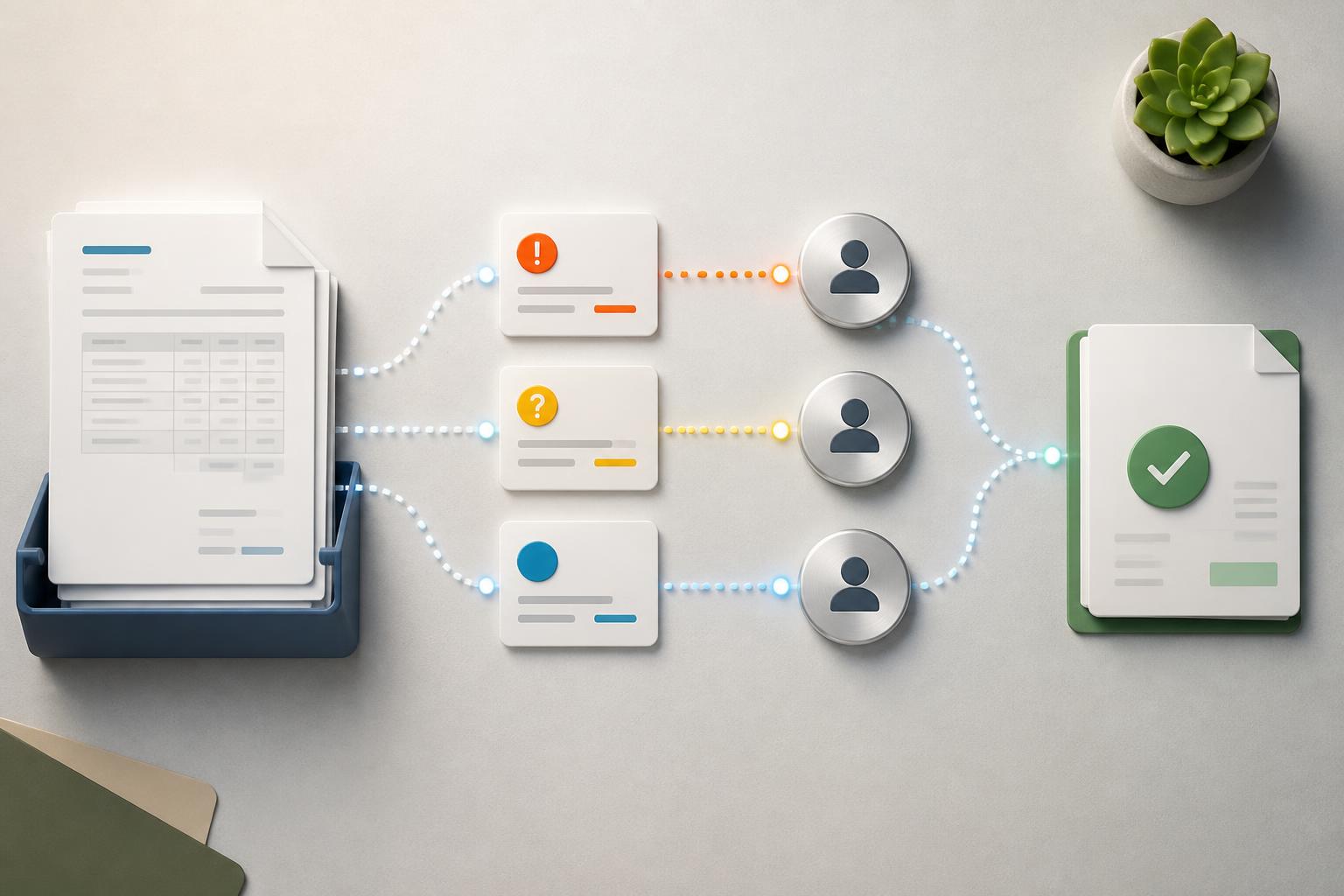
AI for Accounts Payable Managers: Triage Exceptions Faster
AI for accounts payable can sort invoice exceptions, find context, and route issues to approvers while keeping payment decisions and audit controls human.

What an AI Customer Service Chatbot Really Costs in 2026
AI chatbot pricing includes platform fees, usage, setup, integration, and QA. Learn how to budget customer service by volume and cost per resolved issue.

Anthropic’s Glasswing Update Raises Patch-Speed Pressure
Anthropic's Project Glasswing update reports 10,000+ findings and a disclosure dashboard, shifting pressure from vulnerability discovery to patching.
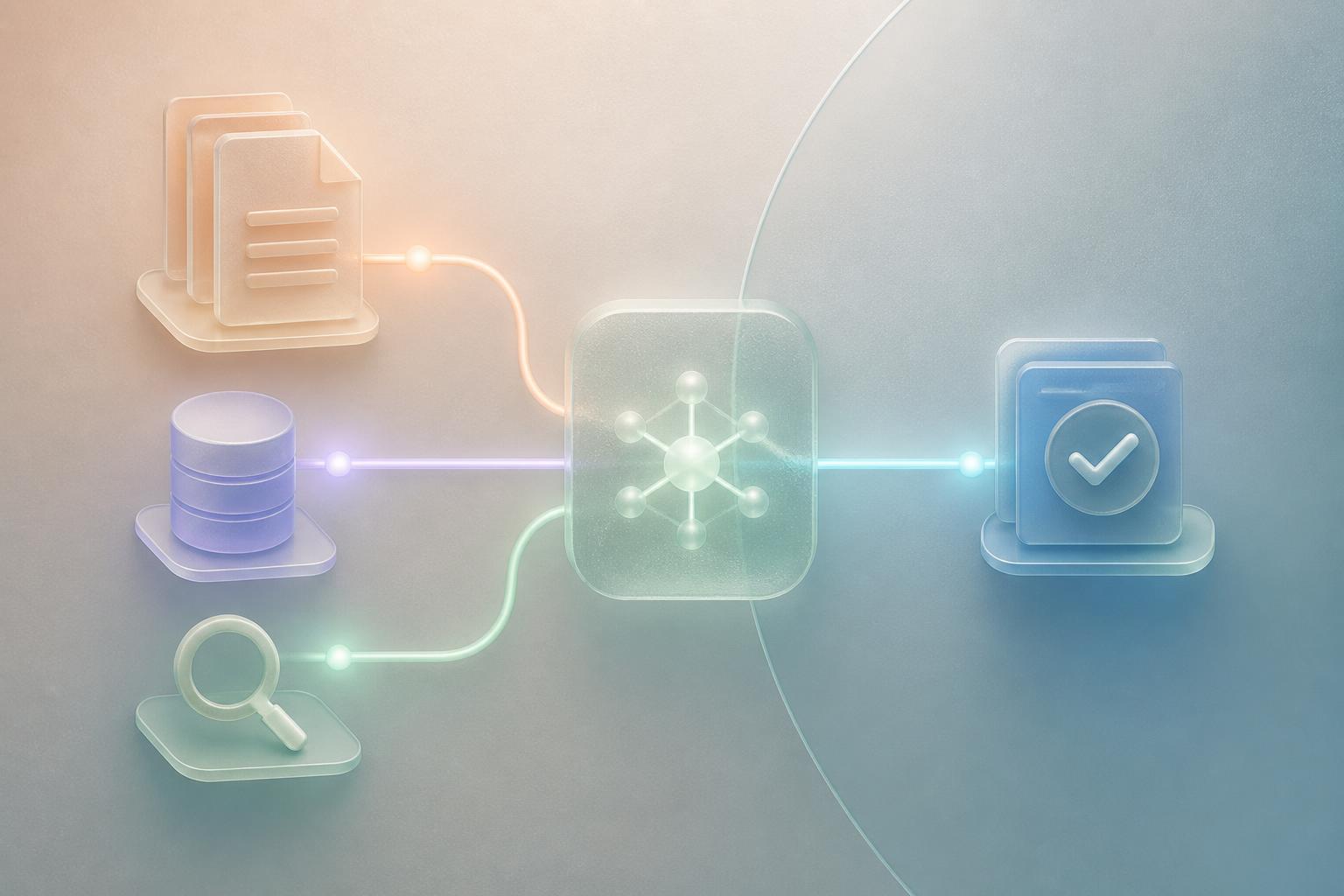
What Is Agentic RAG? A Practical Guide to Retrieval That Plans, Routes, and Acts
Agentic RAG can plan searches, choose tools, split questions, and retry weak results. Learn when that flexibility justifies added cost and complexity.