
AI Agent Insights News, Guides and Comparisons
Explore AI agent news, comparisons, guides, benchmarks, integrations, and practical automation advice for business operators and technical teams.
AI Agents, Enterprise AI, and Automation Insights
Nerova Blog covers AI agents, enterprise AI, automation, and developer tools with practical analysis of major launches, model updates, and infrastructure changes shaping modern business workflows.
This archive is built to help operators, founders, and technical teams quickly understand which developments matter, what they mean for deployment, and where new AI capabilities create real operational leverage.
Featured AI Agent & Enterprise AI Articles

AI for Procurement Managers: Triage Intake and Routing
AI for procurement managers can structure vendor intake, check documents, and route approvals so requests move faster without weakening policy control.
Microsoft 365 Copilot Pricing: What Businesses Should Budget
Microsoft 365 Copilot pricing includes prerequisite licenses, seats, rollout work, and agent usage; budget by role before attempting a broad deployment.

What Is Prompt Engineering? A Practical Guide to Better AI Outputs
Prompt engineering gives AI a clear task, context, output format, and test criteria. Learn the practical method, common mistakes, and limits of prompting.

LangGraph vs Mastra: Pick the Right Agent Framework
LangGraph vs Mastra compares low-level, durable orchestration with a TypeScript-first all-in-one agent stack for workflows, approvals, and observability.
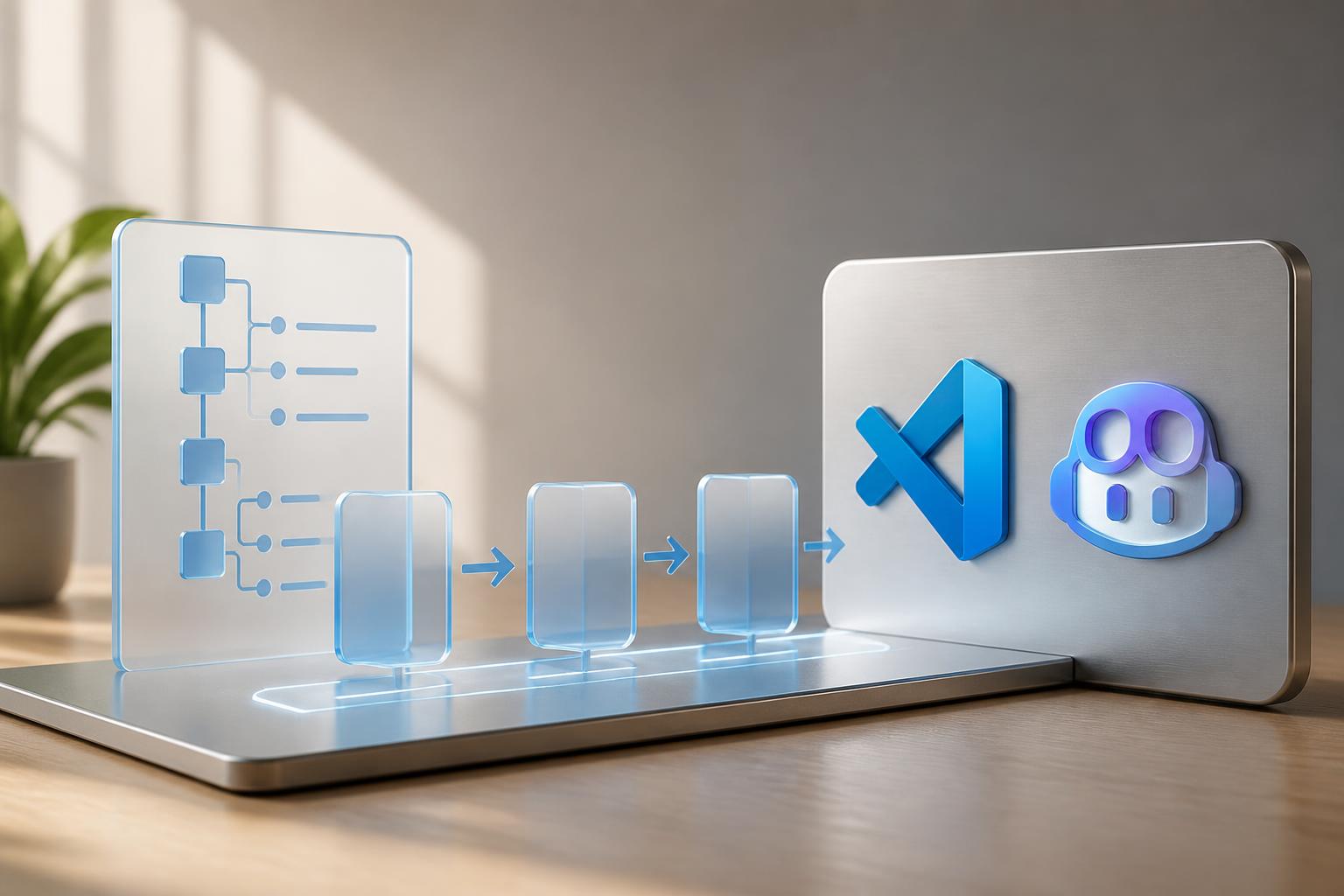
Microsoft’s Visual Studio Plan Agent and Copilot Workflow
Microsoft's Visual Studio Plan agent adds a reviewable step before GitHub Copilot edits code. See why visible plans matter for safer agent workflows.

Washington, DC AI Automation for GovCon Proposals
Washington, DC AI automation can help GovCon teams track RFP amendments, compliance tasks, contributors, and proposal handoffs without replacing judgment.

How an AI Receptionist Should Work for an Accounting Firm
An accounting-firm AI receptionist can capture leads, answer routine admin questions, and protect billable time without giving tax advice or exposing data.

Red Hat Ansible Automation Platform 2.7 Explained
Red Hat Ansible Automation Platform 2.7 connects AI recommendations to governed IT execution through orchestration, MCP access, and enterprise controls.

AI Efficiency Tradeoffs: Quantization, MoE, and KV Cache
AI model efficiency spans quantization, MoE, KV cache, batching, and bandwidth. Learn which technique targets memory, latency, cost, or quality limits.
How to Run Large Local AI Models Efficiently
Run large local AI models efficiently by matching formats, VRAM, context, KV cache, batching, prompt caching, and runtime to the hardware and workload.

Best Open-Source AI Models for Coding, Chat, Vision, and Agents
Compare open-source AI models for coding, chat, reasoning, retrieval, vision, speech, and agents. Choose by workload, license, hardware, and deployment.
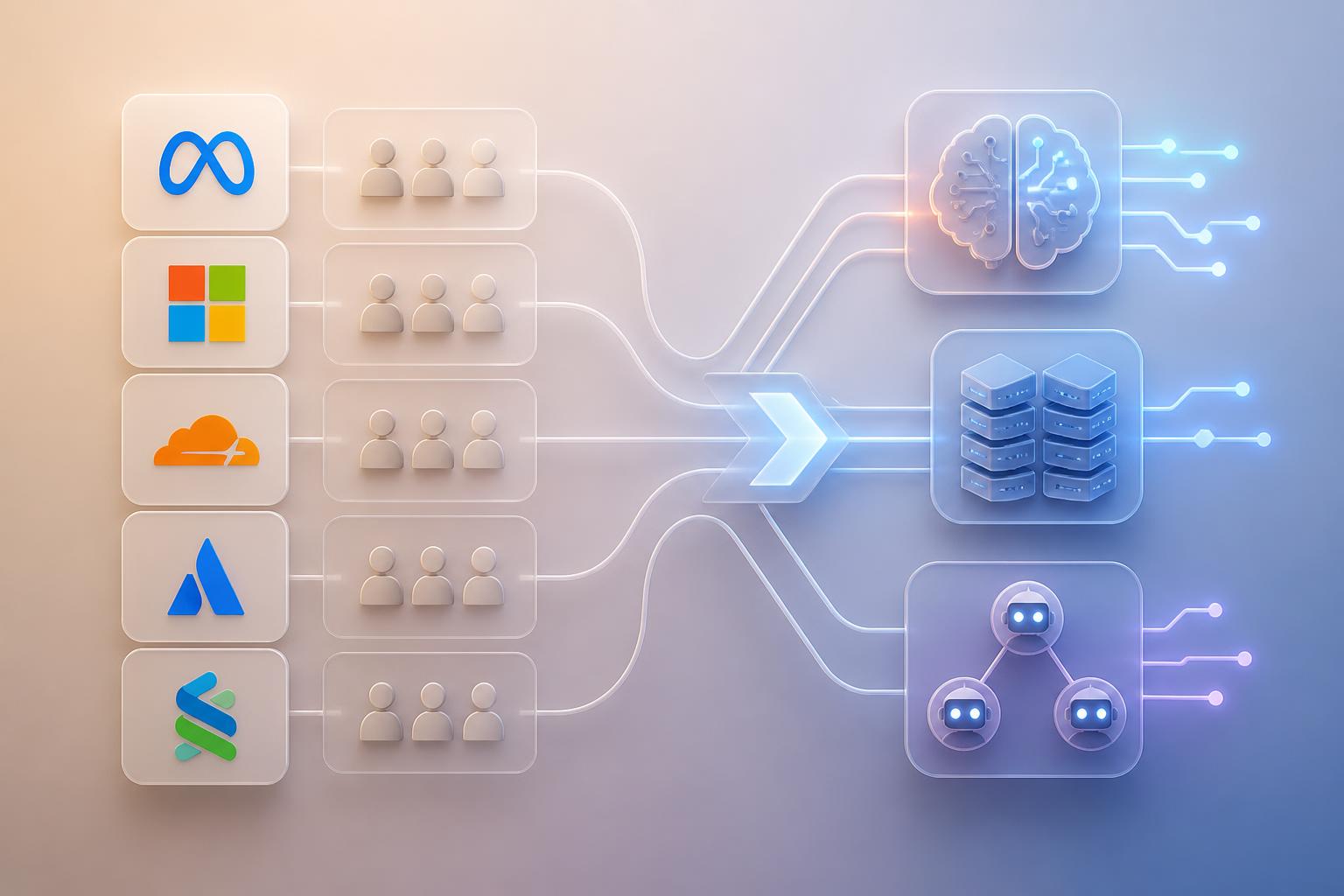
AI-Linked Layoffs in 2026: What Companies Actually Show
AI-linked layoffs in 2026 reflect automation, investment shifts, and restructuring. Compare what Meta, Microsoft, Cloudflare, Atlassian, and others reveal.