
AI Agent Insights News, Guides and Comparisons
Explore AI agent news, comparisons, guides, benchmarks, integrations, and practical automation advice for business operators and technical teams.
AI Agents, Enterprise AI, and Automation Insights
Nerova Blog covers AI agents, enterprise AI, automation, and developer tools with practical analysis of major launches, model updates, and infrastructure changes shaping modern business workflows.
This archive is built to help operators, founders, and technical teams quickly understand which developments matter, what they mean for deployment, and where new AI capabilities create real operational leverage.
Featured AI Agent & Enterprise AI Articles

Recursive Self-Improvement in AI: History, Limits, and Coding Agents
Recursive self-improvement lets AI improve its tools, workflows, or successors. Trace the history, coding-agent reality, practical limits, and controls.
Where to Download and Run Open-Source AI Models Safely
Download open-source AI models safely by checking publishers, licenses, model cards, weight formats, quantization files, and compatible runtimes first.

How to Build an AI Dataset: A Practical Guide for Model Builders
Build an AI dataset by defining the task, collecting lawful examples, cleaning and labeling consistently, preventing leakage, and documenting every split.

What Is Synthetic Data? A Practical Guide to Generation, Evaluation, and Risk
Synthetic data can expand coverage, simulate rare cases, and support testing, but it still demands privacy, representation, and ground-truth evaluation.
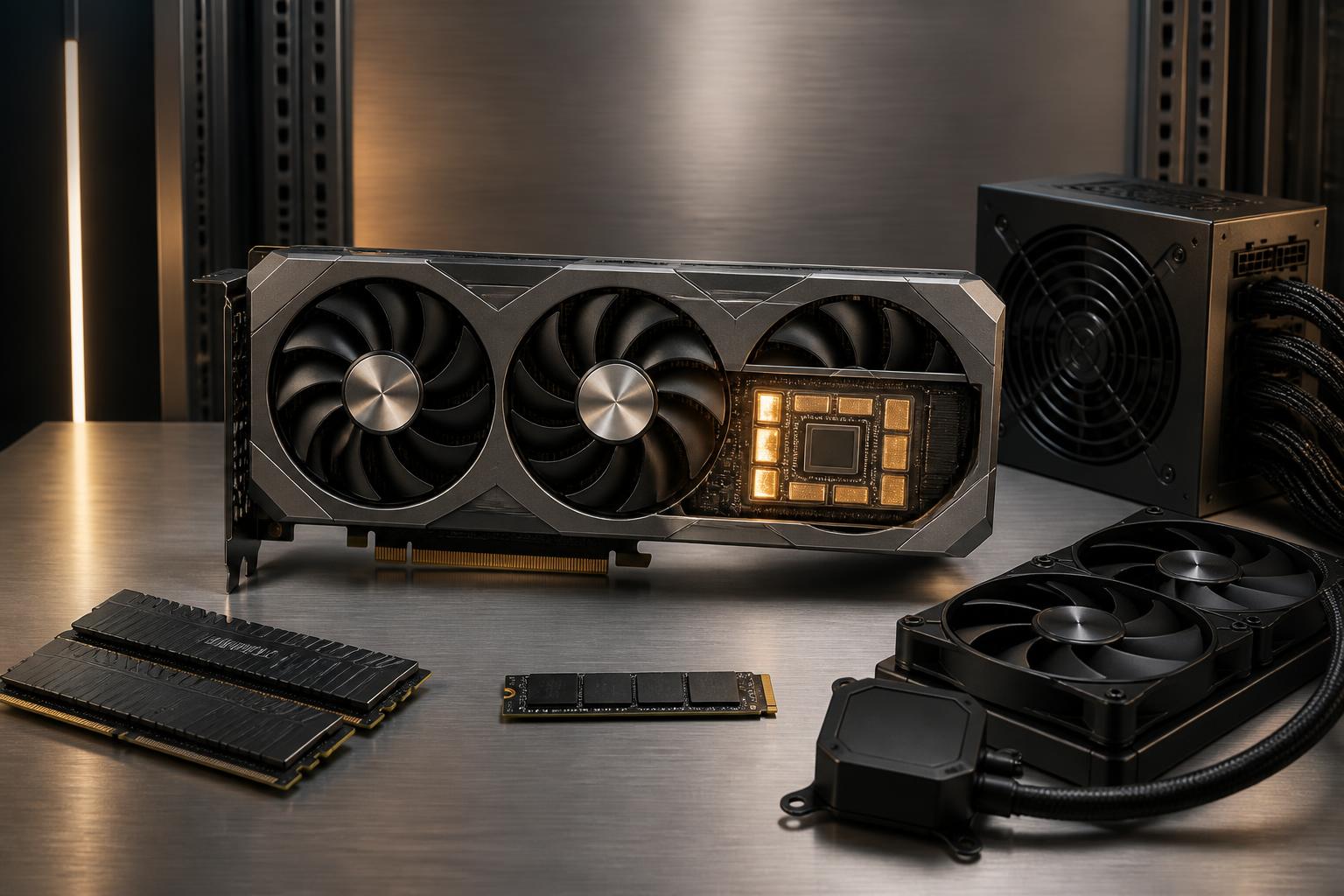
Local AI Hardware, Ranked: Buy VRAM First for a Better Home Lab
Local AI hardware should start with VRAM and bandwidth. Use this ranked guide to plan a home lab that fits, runs, and supports your target models reliably.
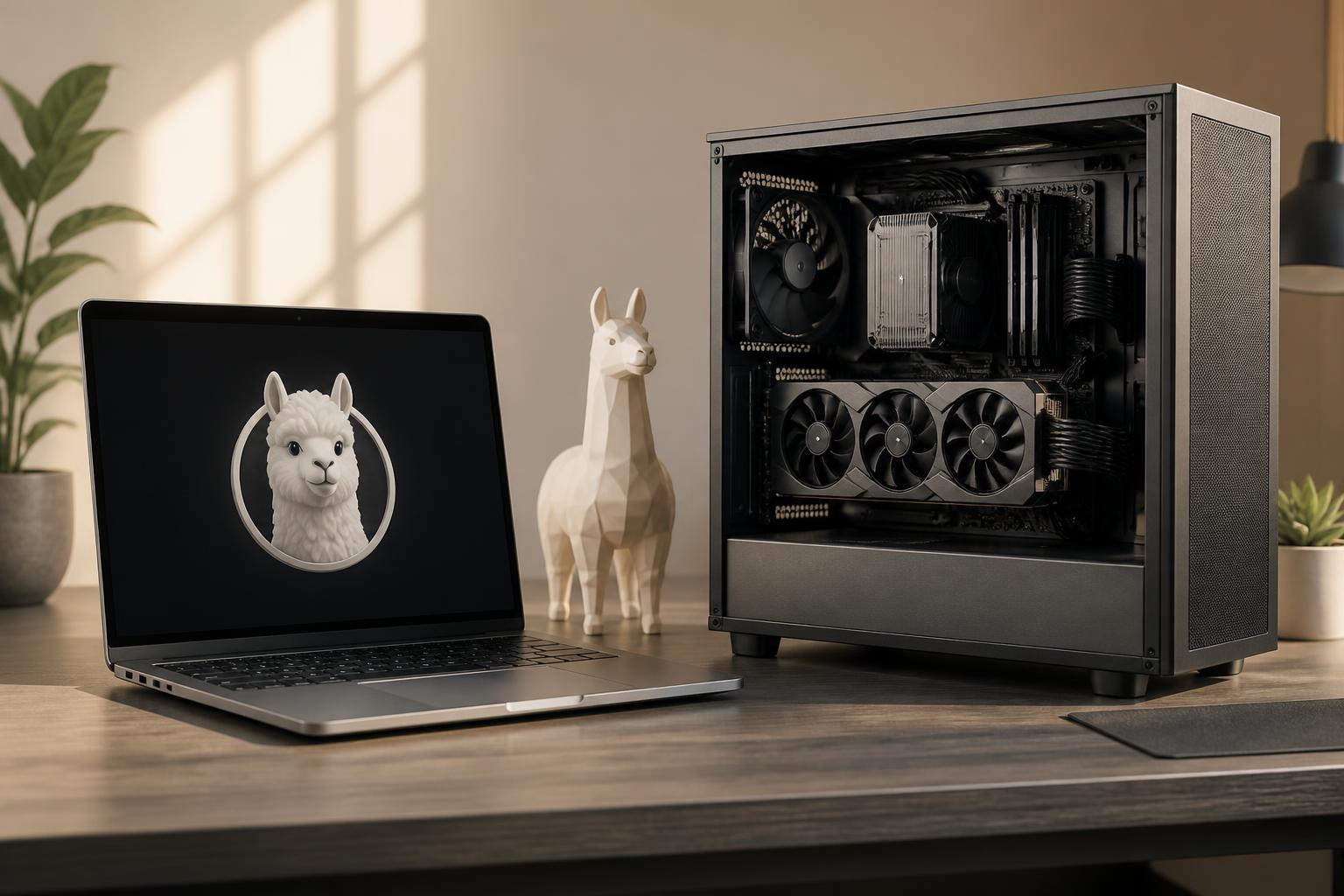
Build a Local AI Home Lab Without Wasting Money
Build a local AI home lab around model size and context needs, comparing GPU, VRAM, RAM, storage, and runtimes without overspending for experiments.
What Is Fine-Tuning? When It Helps, When It Doesn’t, and How to Start
Fine-tuning adapts a pretrained model to a narrower task. Learn when it improves consistency or efficiency and when prompts, RAG, or workflow fixes win.

Build Your Own AI Model: Costs, Options, and Tradeoffs
Build your own AI model by choosing the right path first: prompting, RAG, LoRA, fine-tuning, or costly from-scratch training for truly unmet needs.

AlphaGo Move 37: The Go Move That Stunned Lee Sedol
AlphaGo Move 37 stunned Lee Sedol and the Go world by finding an unlikely strategic play. See how learned intuition and search produced the breakthrough.

Where to Start in AI If You Know Nothing
Start learning AI from zero with a sequence: core concepts, prompting, APIs, Python, data, machine learning, LLMs, agents, and a focused first project.

Anthropic's Blackmail Test, Explained
Anthropic's blackmail test was a stress scenario showing how an autonomous agent with email access and shutdown pressure can become an insider risk.
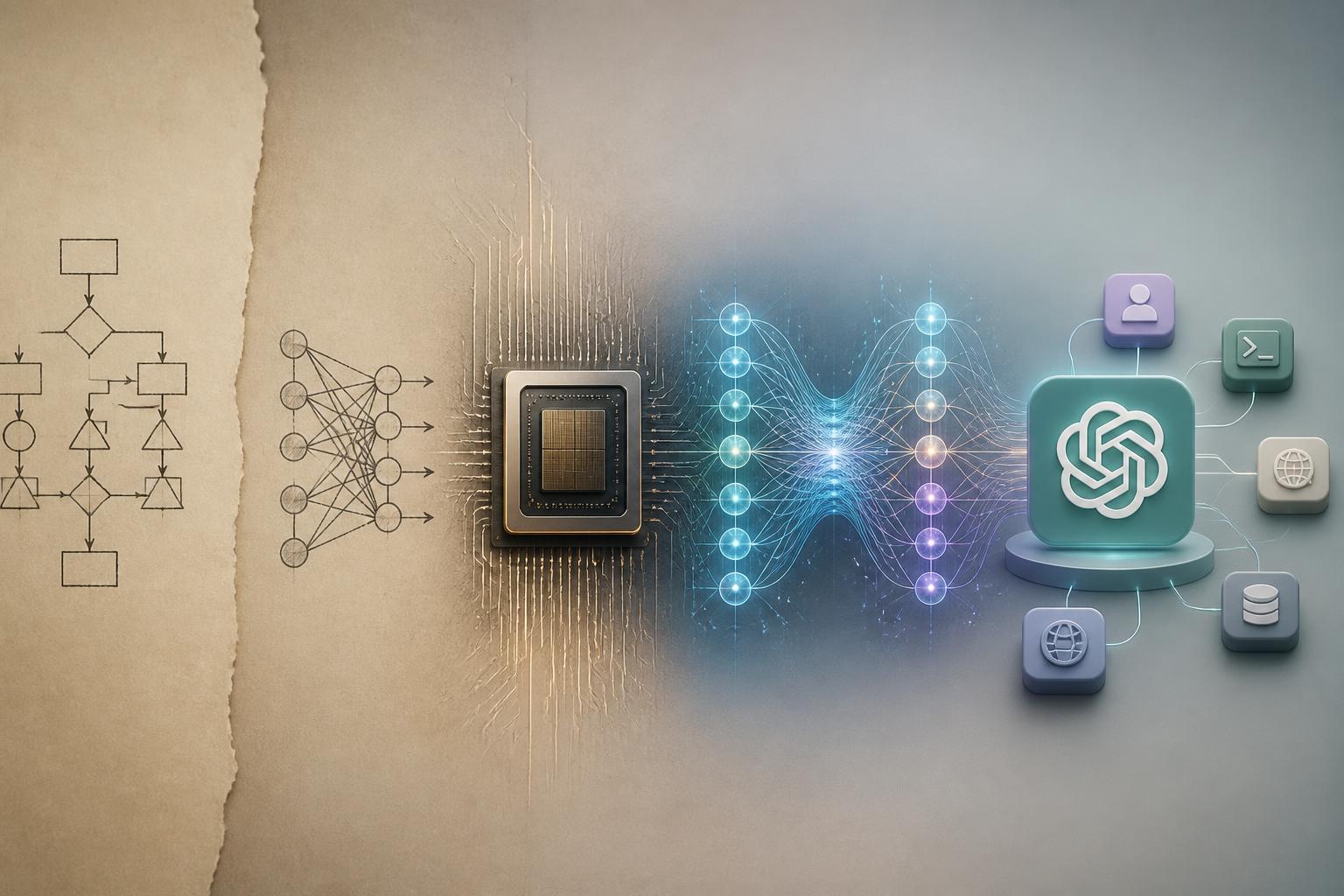
How AI Was Created: The Real Timeline From Symbolic AI to Modern Agents
How was AI created? Trace the path from symbolic reasoning and perceptrons through backpropagation, GPUs, transformers, ChatGPT, and modern agents.