
AI Agent Insights News, Guides and Comparisons
Explore AI agent news, comparisons, guides, benchmarks, integrations, and practical automation advice for business operators and technical teams.
AI Agents, Enterprise AI, and Automation Insights
Nerova Blog covers AI agents, enterprise AI, automation, and developer tools with practical analysis of major launches, model updates, and infrastructure changes shaping modern business workflows.
This archive is built to help operators, founders, and technical teams quickly understand which developments matter, what they mean for deployment, and where new AI capabilities create real operational leverage.
Featured AI Agent & Enterprise AI Articles

OpenAI’s GPT-5.6 Launch Is Bigger Than a Model Release
OpenAI GPT-5.6 adds stronger agents, new reasoning modes, and updated pricing. See what business AI teams should benchmark before a wider rollout.

OpenAI’s GPT-Live-1 Makes ChatGPT Voice More Natural. The Bigger Story Is Voice Agents.
GPT-Live-1 adds full-duplex voice, background reasoning, and web search to ChatGPT. See why the architecture matters for business voice agents at scale.

Anthropic’s Global Workspace Paper Reveals Claude’s Hidden J-Space
Anthropic researchers found a steerable internal J-space in Claude. See what it reveals about reasoning, interpretability, and enterprise audits.
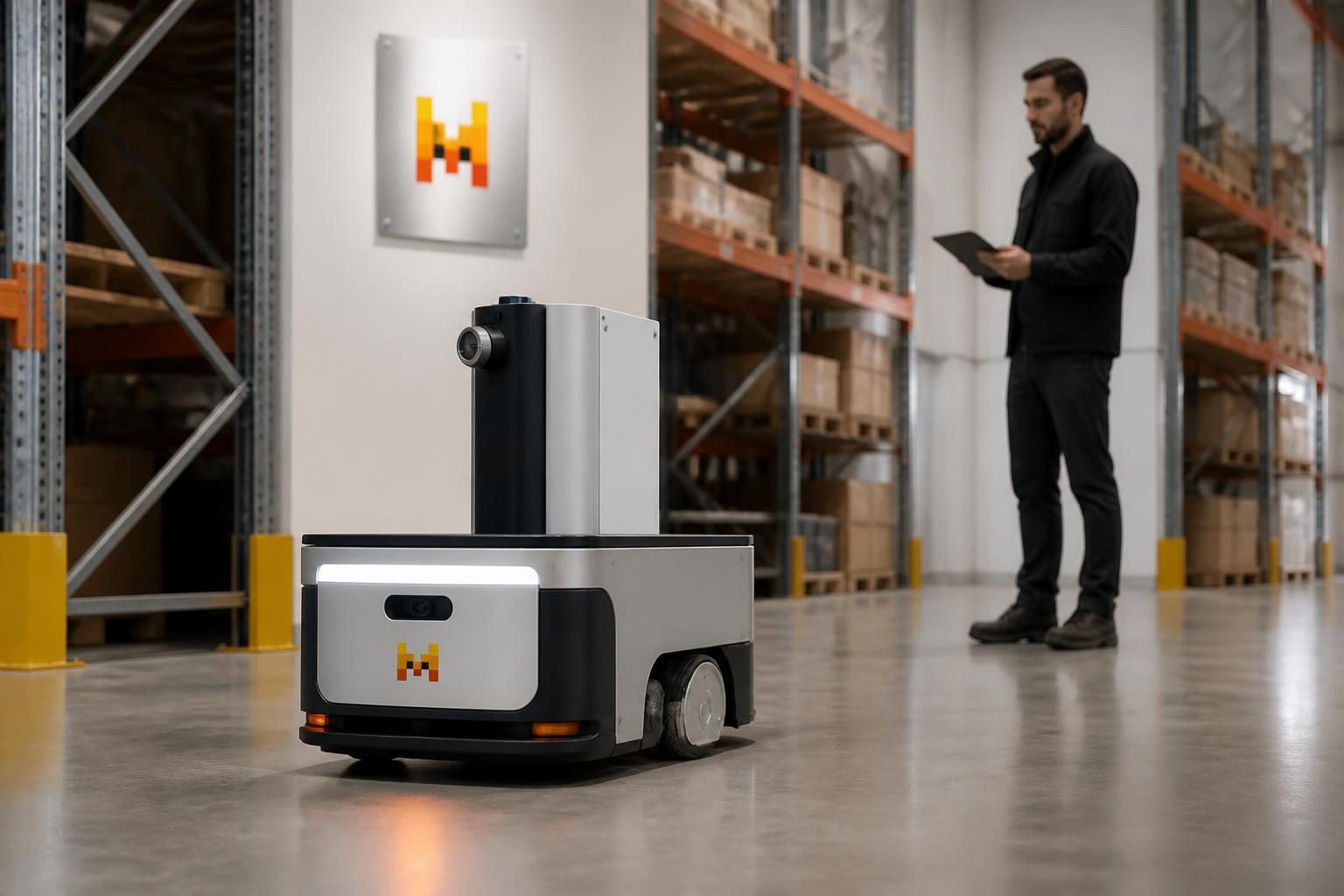
Mistral Launches Robostral Navigate as Physical AI Moves Toward Warehouses
Mistral Robostral Navigate guides robots with one RGB camera. See what the lower hardware burden could mean for warehouses and factories at scale.

OpenAI’s GPT-5.6 Broad Rollout Is Reportedly Set for July 9
OpenAI GPT-5.6 is reportedly moving from preview to broad release. See which capabilities and business workflows teams should benchmark first in practice.
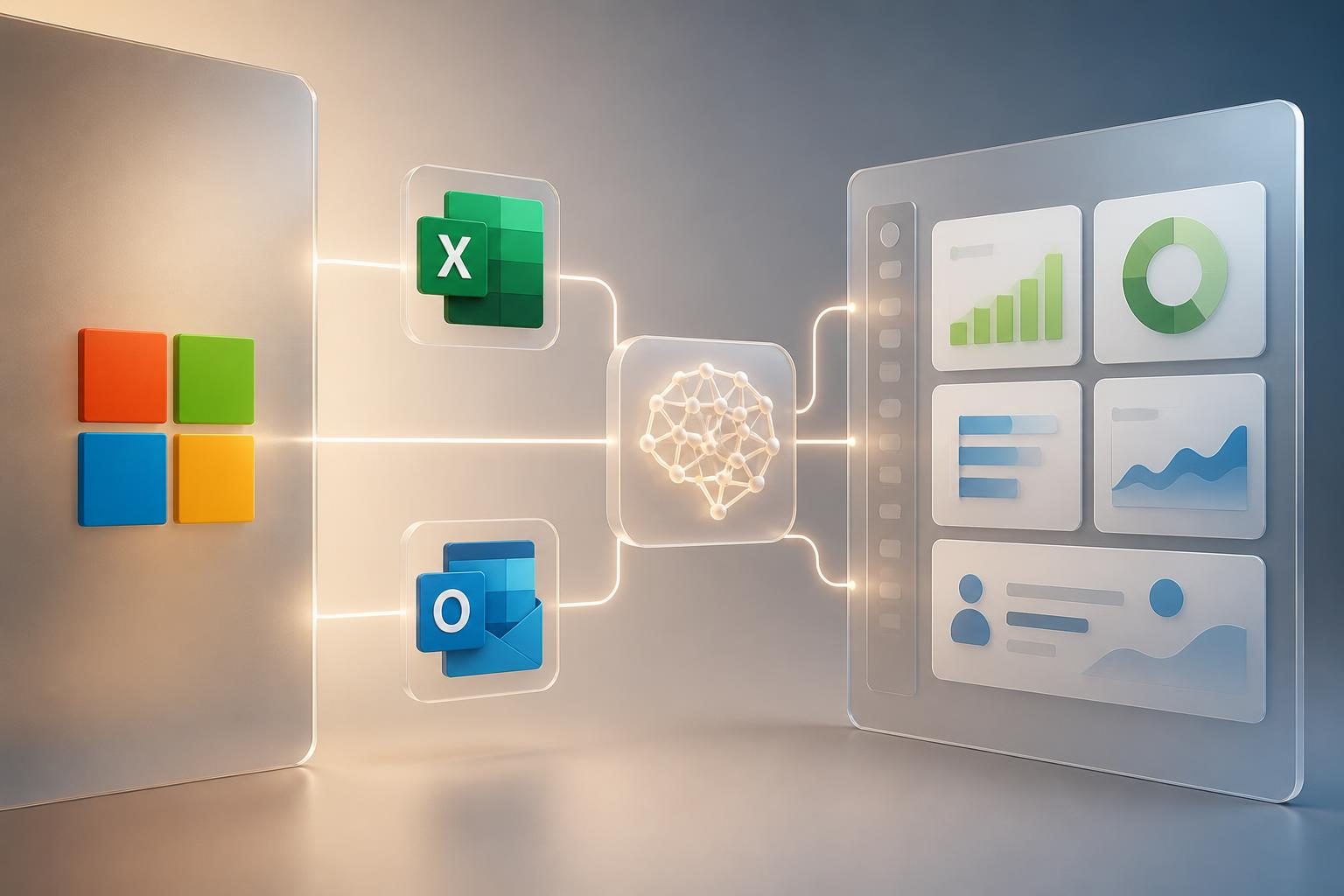
Microsoft MAI Swap Makes Office AI Multi-Model
Microsoft is moving some Excel and Outlook prompts to its own MAI models. Here’s why the swap matters for enterprise AI buying, governance, and cost control.

OpenAI Put Workspace Agents on a Meter
OpenAI’s July 6 ChatGPT Business update moves Workspace Agent runs and Excel/Sheets tasks to token-based pricing. Here’s what changed and why it matters.
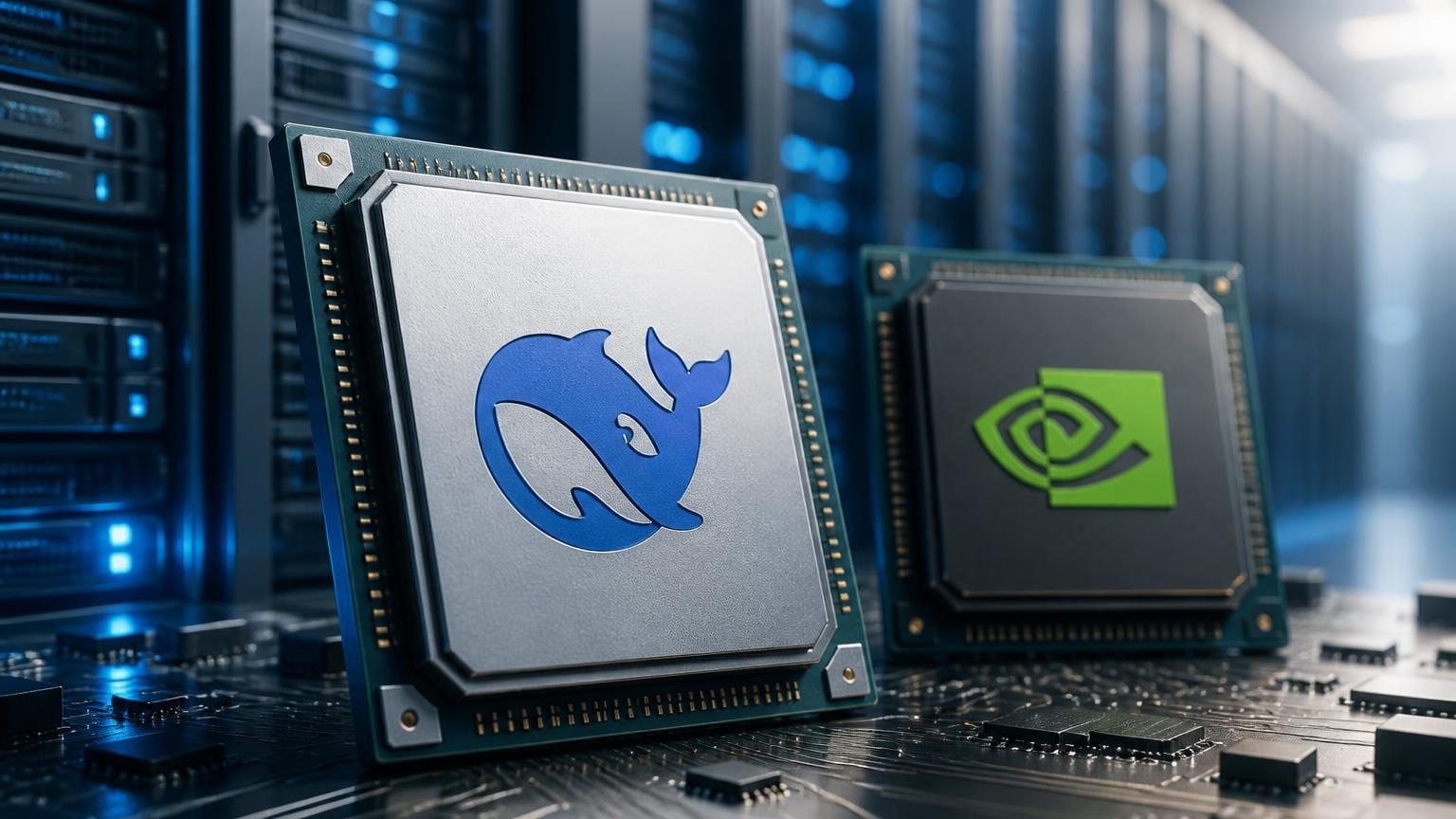
DeepSeek’s AI chip push is the clearest sign yet that inference is the real battleground
Reuters says DeepSeek is developing its own AI chip for inference, signaling that the next AI battle is about hardware control, cost, and supply.
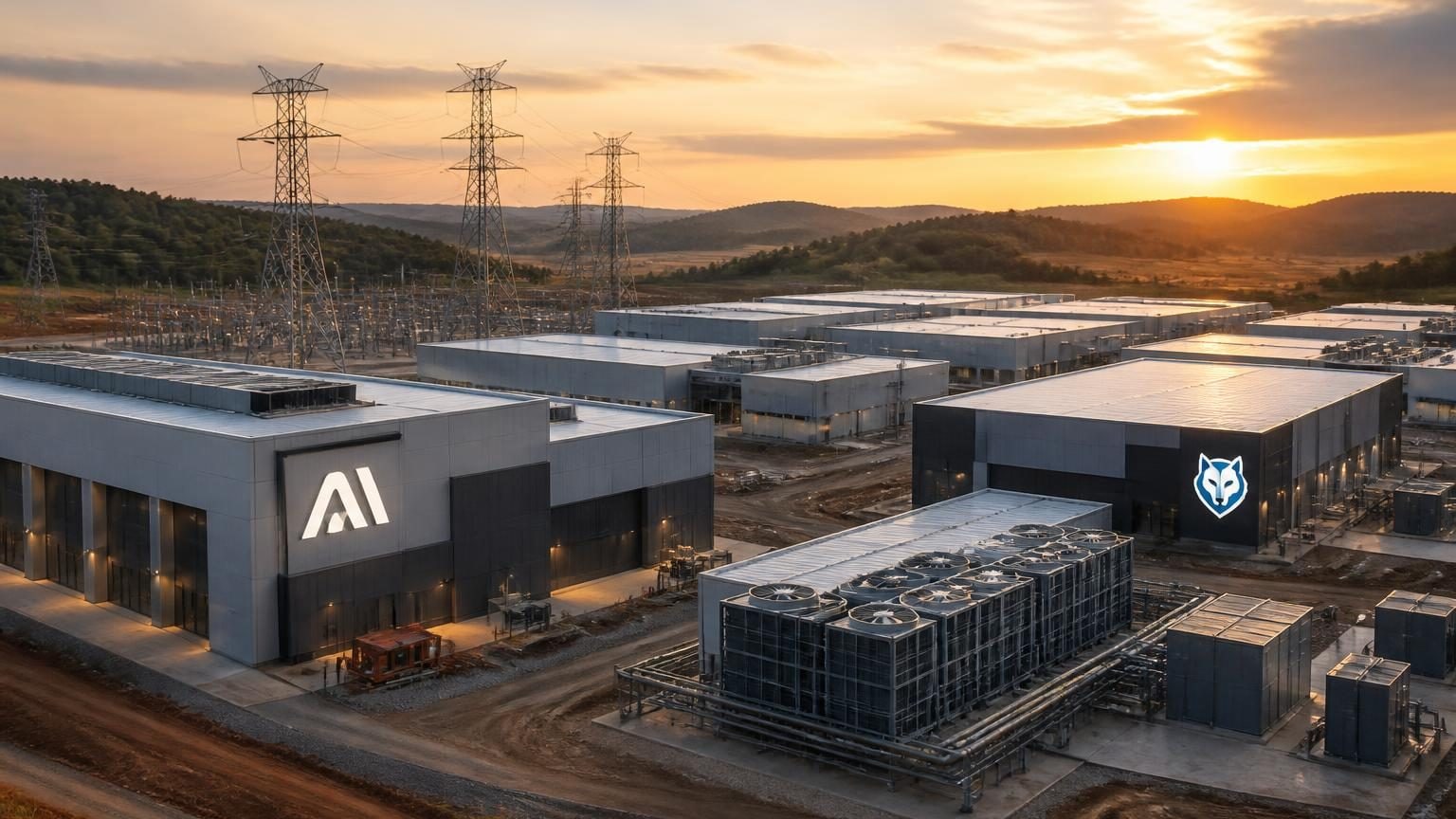
Anthropic’s $19 Billion TeraWulf Lease Shows the Real AI Bottleneck
Anthropic’s new 20-year TeraWulf lease in Kentucky shows how frontier AI is locking up power, land, and compute long before demand peaks.
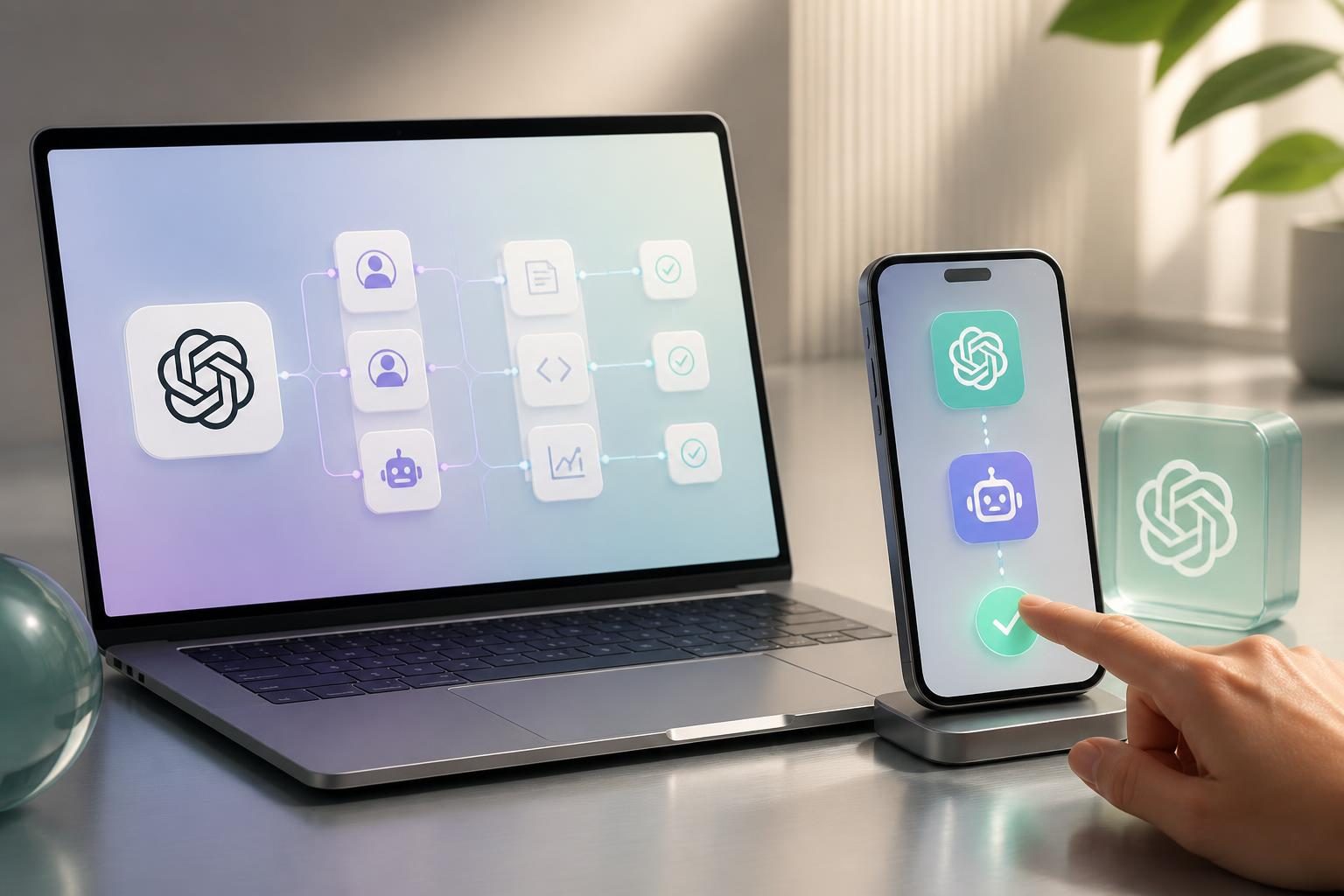
OpenAI’s July 6 ChatGPT Update Turns Workspace Agents Into a Real Business Rollout
ChatGPT workspace agents and Codex Remote are now broadly available. See what changed for governed execution across business, enterprise, and education.

Claude Fable 5 Is Back Online. The Bigger Story Is Enterprise AI Access Risk.
Claude Fable 5 is back after export controls were lifted. See what the reversal teaches enterprises about access risk, lock-in, and fallback plans.
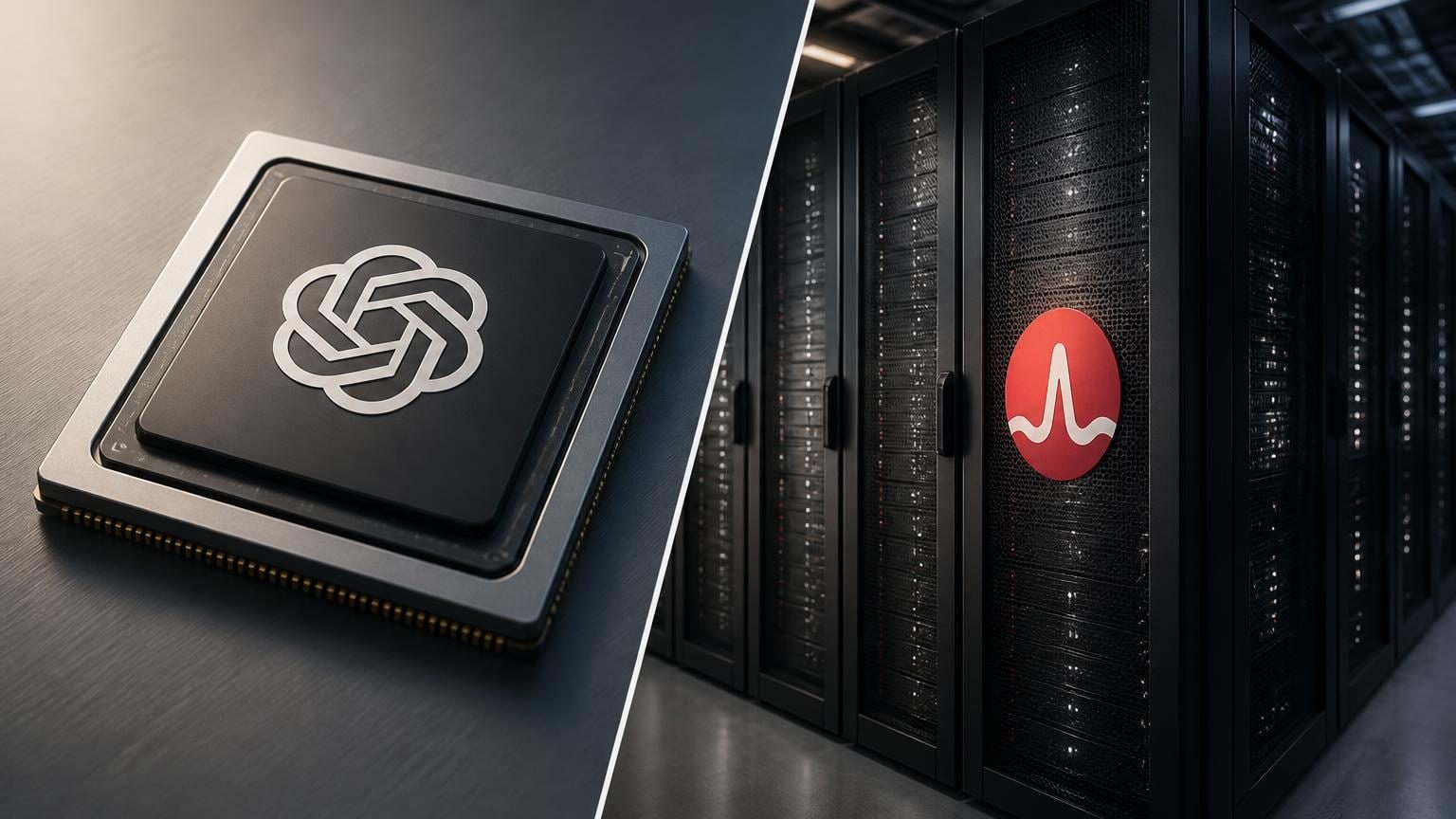
OpenAI and Broadcom’s Jalapeño Chip Makes Inference Economics the Main Event
OpenAI and Broadcom's Jalapeno chip shifts attention from training to inference economics. See why cost, latency, and control now shape AI strategy.