
AI Agent Insights News, Guides and Comparisons
Explore AI agent news, comparisons, guides, benchmarks, integrations, and practical automation advice for business operators and technical teams.
AI Agents, Enterprise AI, and Automation Insights
Nerova Blog covers AI agents, enterprise AI, automation, and developer tools with practical analysis of major launches, model updates, and infrastructure changes shaping modern business workflows.
This archive is built to help operators, founders, and technical teams quickly understand which developments matter, what they mean for deployment, and where new AI capabilities create real operational leverage.
Featured AI Agent & Enterprise AI Articles
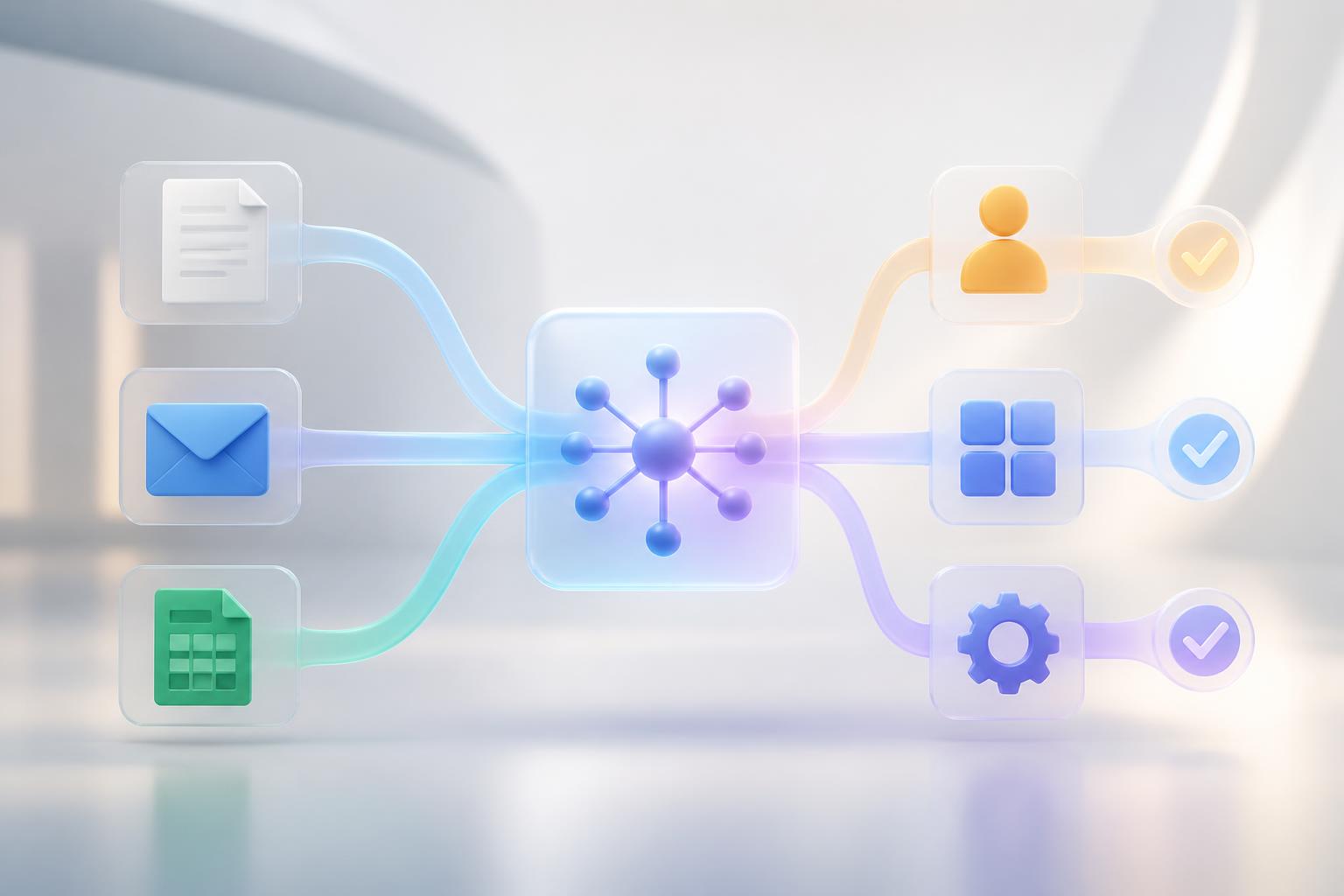
What Is Intelligent Automation? A Practical Guide for Business Teams
Intelligent automation combines AI interpretation, workflow rules, system actions, and human review to move complex business processes beyond basic bots.
OpenAI for Singapore Makes Deployment the Main Story
OpenAI for Singapore pairs S$300M with its first Applied AI Lab outside the U.S. See why local deployment capacity is the initiative's central story.

How Plumbing Companies Can Use an AI Dispatch Assistant
A plumbing AI dispatch assistant can sort emergency calls, capture job-ready notes, and protect the schedule without trying to diagnose customer problems.

How an AI Receptionist Should Work for an Optometry Practice
An optometry AI receptionist can book routine exams and answer optical questions while escalating urgent symptoms. Learn the safe workflow and boundaries.
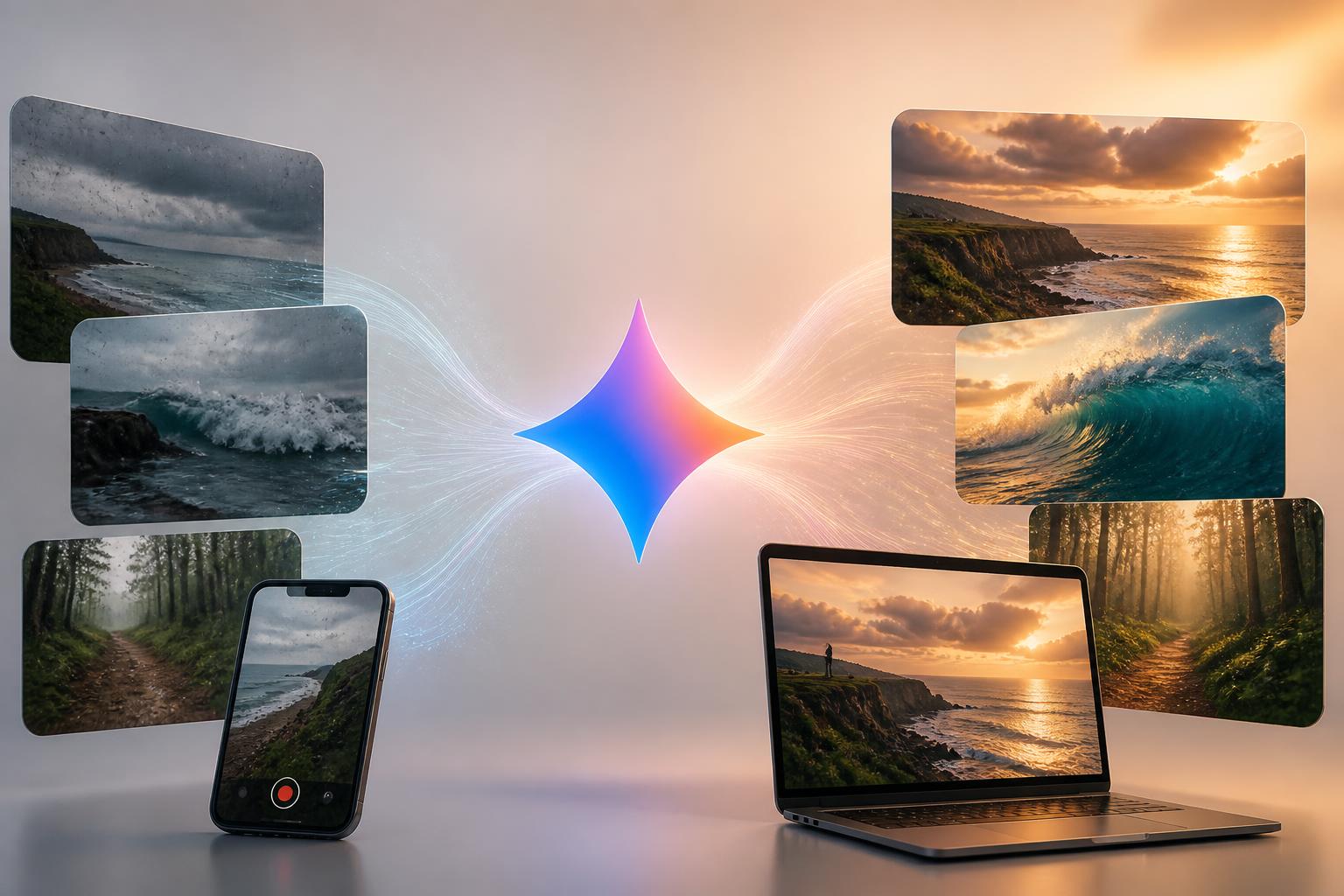
Google I/O 2026: Gemini Omni Makes Editing Conversational
Google Gemini Omni makes video creation conversational, using multimodal references and iterative edits across Gemini, Flow, and mobile creative surfaces.
Google’s Gemini App Adds Spark and Daily Brief
Google Gemini Spark and Daily Brief move the app toward proactive assistance, recurring background work, connected context, and approval-based actions.
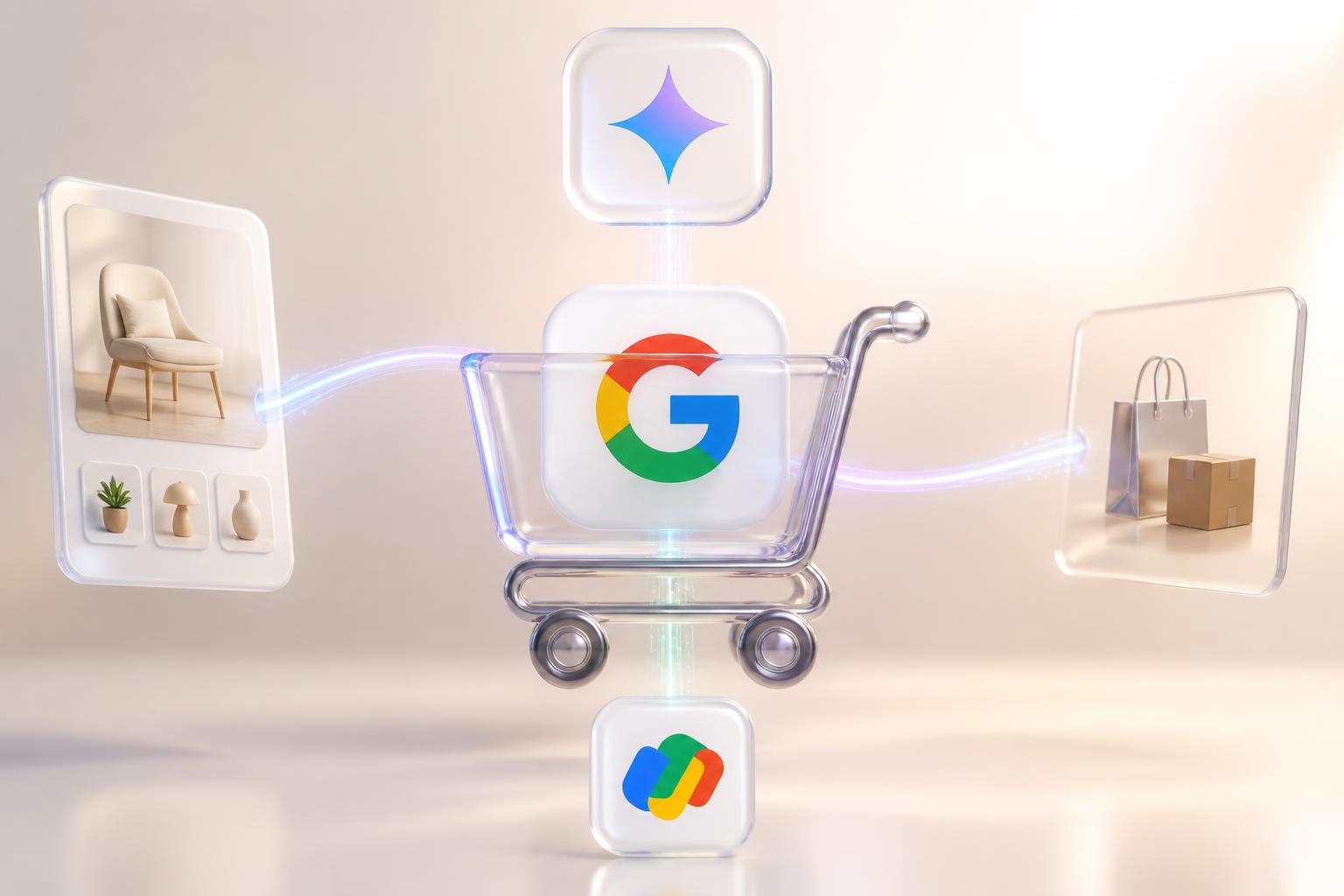
Google I/O 2026: Universal Cart for Agentic Checkout
Google Universal Cart links Search, Gemini, Wallet, commerce protocols, and agentic checkout into a cross-merchant path from product research to purchase.

Google I/O 2026: Gemini Powers Android XR Glasses
Google I/O 2026 put Gemini on Android XR eyewear with audio and display glasses, hands-free assistant workflows, and a clearer path to real-world AI interfaces.
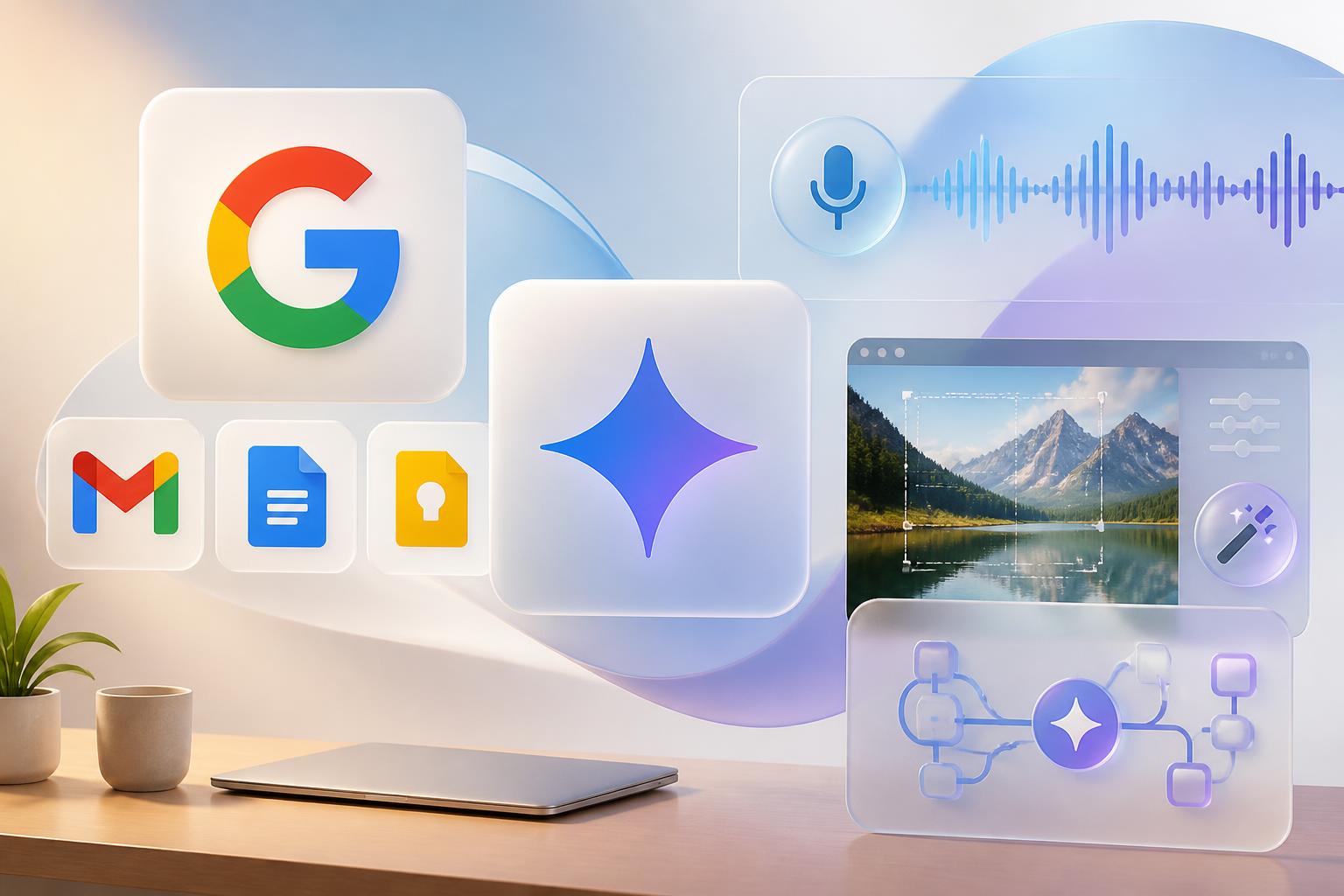
Google I/O 2026: Workspace Adds Voice, Inbox and Spark
Google I/O 2026 brings voice, AI Inbox, Google Pics, and Gemini Spark to Workspace. See how these updates move everyday work toward continuous automation.
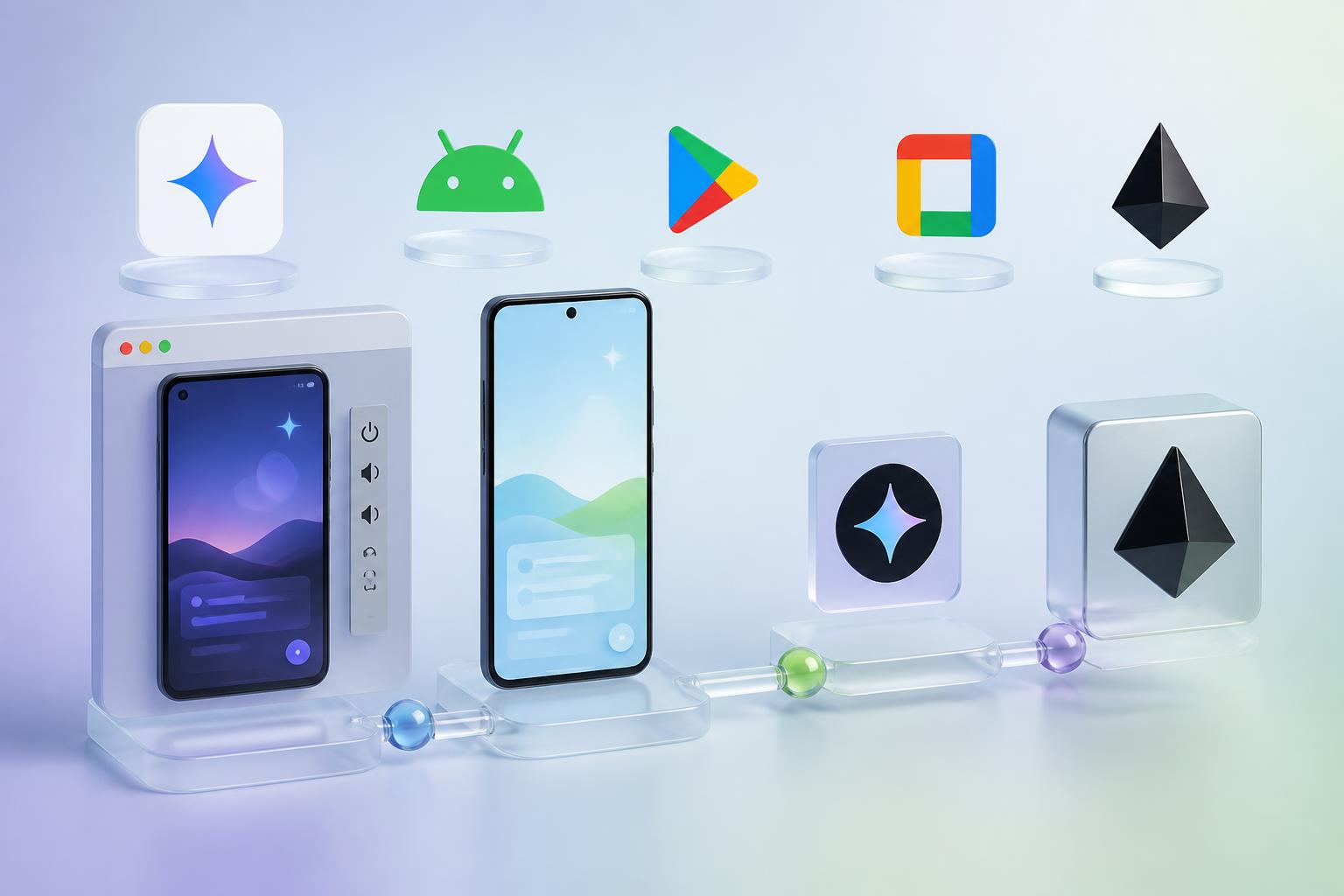
Google AI Studio at I/O 2026 Pushes Vibe Coding Closer to Real App Delivery
Google AI Studio supports native Android builds, browser device tests, Play test-track publishing, Workspace data, and an Antigravity production handoff.
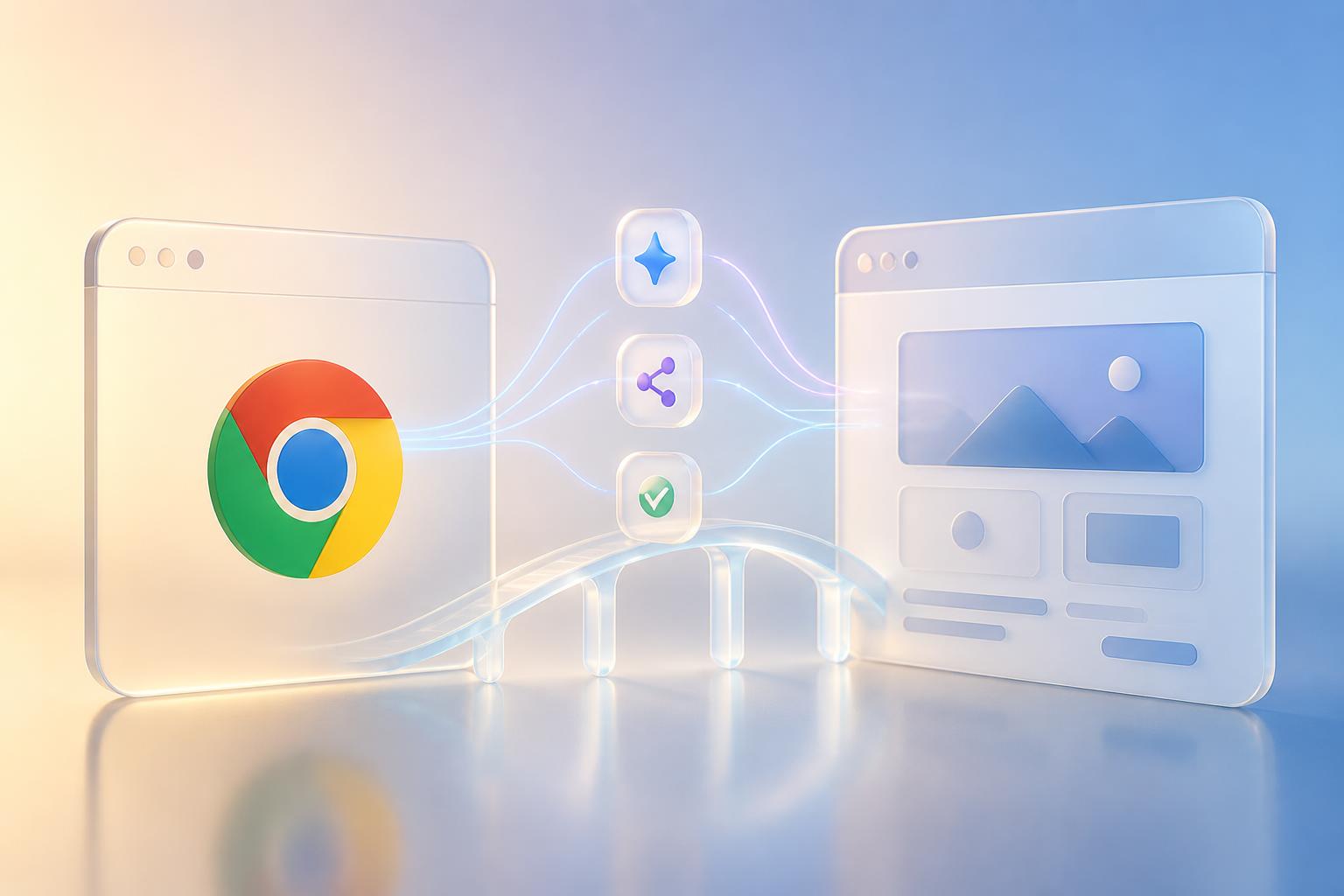
Chrome at Google I/O 2026: WebMCP and the Agentic Web
Chrome's agentic web push uses WebMCP, structured actions, schemas, and agent-aware DevTools to make live browser workflows safer and more reliable.
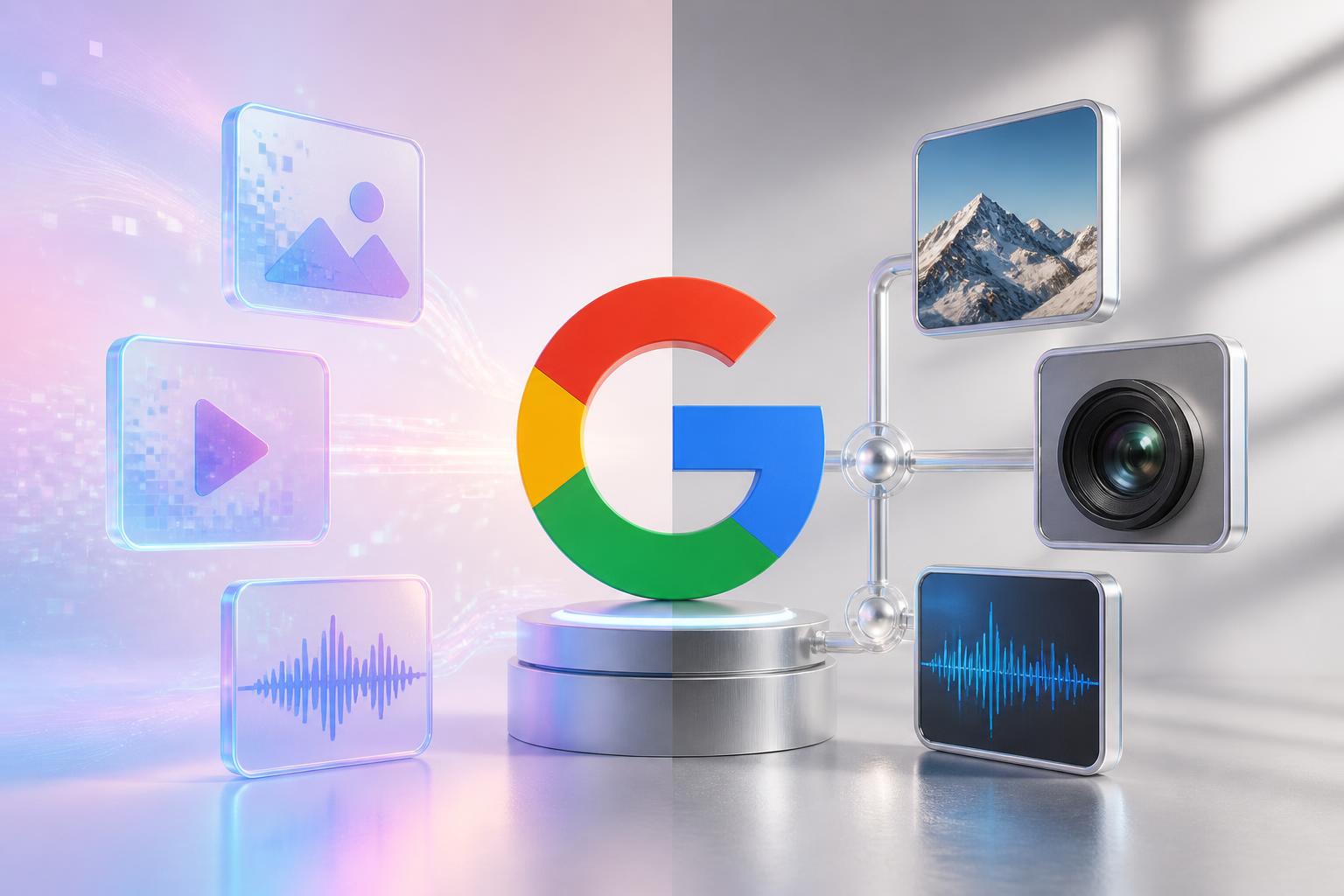
Google I/O 2026: Google Expands SynthID and C2PA
Google expanded SynthID, C2PA credentials, and detection APIs across Search, Chrome, Gemini, Pixel, and Cloud, making AI media provenance operational.